The timing for a special message about building and more importantly developing a public/non-profit sector Board is really long overdue! Given my career history that required me to work with and for these types of community groups… plus the consultant information requests that have been part of my service mix… this week’s TRIPLE III TIME topic will focus on a: 3 “C’s” Board Growth Chart action plan.
Private non-profit and public sector organizational Boards are traditionally created based on Federal/State/Regional/County policies and thereby built on a special assembly of knowledgeable, caring citizens. Their typical assignment is to oversee the expenditures and performance of public dollars for a specific service/product. The criteria for Board membership is routinely flexible and open in an attempt to recruit and retain the best candidates available in a prescribed geographic region. However, it is noticeable that most Board formation regulations do NOT contain instructions nor a methodology specifying the need and processes for ensuring public sector Boards have a plan for continuous improvement. Boards may participate in strategic planning sessions for the entity they oversee, however the resulting progress issues they discuss do NOT apply to them. Hence in an effort to “share” the responsibility for comprehensive organizational continuous improvement, public sector Boards need to make appropriate changes in this area.
In an effort to fill the continuous improvement action void currently experienced by most public sector Boards, this TRIPLE III TIME proposes the introduction of a 3 “C’s” Board Growth Chart initiative. The 3 “C’s” referenced in the III title stands for creating continuous improvement plans around: Comprehension/Commitment/Challenges. Specifically, these responsibility areas would be components of each Board‘s annual learning Growth Chart.
Proposed implementation components of the 3 “C’s” Board Growth Chart may include, but not be limited to the following:
Comprehension
Legal understanding of total organizational mission and target service audience.
Full awareness of all fund sources and allowable cost costs.
Knowledge of funding and oversight organizations.
Awareness of fiscal and program reporting requirements and related timing.
Commitment
Full knowledge of Board attendance responsibilities.
Understanding of the value Board members provide as a representative of a specific business/community sector.
Accepts the role/responsibility for supporting the organization’s priorities and public service activities.
Supports the opportunity for Board members to be quasi-ambassadors for the organization.
Challenges
Awareness of continuous political, fiscal, performance, and public service challenges.
Understanding of potential conflict due to legal requirements of different programs.
Difficult administrative decision regarding personnel levels, program expectations and/or results of monitoring/audit issues.
Possible deviations from service delivery/operational processes practiced in other regions.
The goal for implementing an annual 3 “C’s” Board Growth Chart would be to expand the overall expertise, intellect and judgment skills with regard to Board responsibilities. Additionally, the progressive outcomes for engaging in an annual 3 “C’s” Board Growth Chart initiative are self-evident:
Stronger/informed Board
Greater advocacy
Increased Board interaction
Solid regional leadership example
Avenue for idea–generation
Bottomline: Standardly continuous improvement is an expected requirement of all organization staff… therefore, the Board should also be a “teaming” example.
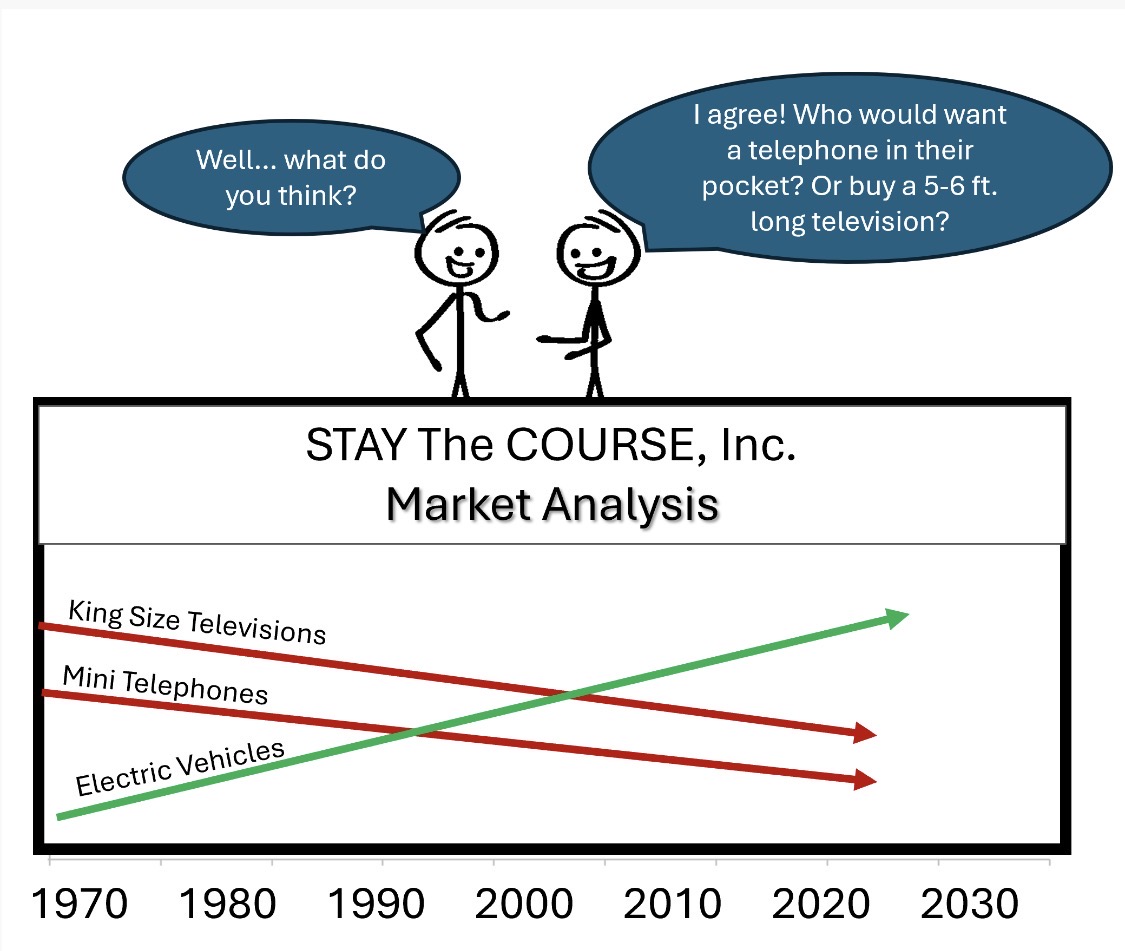
If you are a true student of your business…be it a private or public sector entity… it is a good strategy to annually: Try A “Market Analysis”!
What specifically am I suggesting? Take a look at this excerpt from the Michigan Guide To Starting & Operating A Small Business to best answer this question:
“Paint a picture of what is happening in your industry and explain how you can plan to take advantage of opportunities within the industry. Use your understanding of the industry to demonstrate how your sales/service projections are realistic. Explain how fast your industry is growing with sales, numbers of customers, performance and profits. Discuss if any segments are growing faster than others and how you might leverage that information.
You may want to highlight the following elements: – Current industry size, status and trends (to show how you will position your company for market opportunities and to identify areas of growth or decline) – New products or services in the industry, especially ones that will affect your business/agency directly or indirectly – Trade associations that support your product or service and that you will be contributing to – Opportunities and threats affecting the industry (how you will capitalize on the opportunities as well as handle the threats).”
In our current customer marketplace… it is my belief that nothing stays the same and the only constant is CHANGE. Too often in my consultant experiences I find that both public and private organizations discuss customers with a “lack-of-change” point of view. The end result are products and services that may be high quality… but lack up-to-date components.
So… Try A “Market Analysis”… and be ready for a new set of discoveries!
Today as young adults have asked my advice on jobs… future jobs… and what type of classes should they take to best prepare for a great future… my single word answer is: TRANSFORMATION! And as you can guess their standard response is that a TRANSFORMATION class is NOT listed in any college catalog that they have seen?! So then comes the next question: “What do you mean when you reference a TRANSFORMATION class??”
(A fun kind of intro for this week’s TRIPLE III TIME message… right?!)
Well as a leader… if I was offered the opportunity to develop and teach a class on TRANSFORMATION Unending, I would customize it around the following main topics:
Introduce the class with an understanding that TRANSFORMATION Unending occurrences impacts everyone.
That the TRANSFORMATION Unending class intends to “pull-out” the leadership potential in all.
That the incidence of TRANSFORMATION will even affect a company’s purpose and mission regularly.
That TRANSFORMATION activities can be perceived as both positive and negative at the same time.
That progress as a result of TRANSFORMATION in the workplace and/or with employees may become redefined.
That TRANSFORMATION for an organization or business may include cost-cutting and layoffs.
That use of technology during any TRANSFORMATION may become the end or new beginning in a workplace… but time and timing will be essential.
Employment opportunities in a TRANSFORMATION environment will require a strong competency and diversity skill-set.
That TRANSFORMATION in the workplace may not require a complete service or product change… rather responsible quality and modernization upgrades.
Finally, the TRANSFORMATION Unending class would explain that by not addressing this issue EVERYDAY… the “behinder” you get.
Bottomline: There are a lot of separate thoughts included in this unique TRIPLE IIII TIME message. Consider taking this TOP 10 list one at a time to get the most out of each!
One of the most unfortunate consultant requests I have had recently… was to do a workshop on avoiding Polarization In The Workplace! And when I asked for a few points of discussion that may help me prepare a talk on this very important issue, the “requesters” recommended a focus on:
Deflating the “Us vs Them” situations
Getting past “opposing extreme” scenarios and
Suggesting finding a “middle ground” issue resolution between individuals
Today more than ever before, I believe Polarization In The Workplace (and in our world as a whole) has hit an all time high! Politically, socially and ethically it seems more people tend to take a side on issues much more often than to work toward a compromise point of view. In fact there was once a time when the person who developed and offered a middle ground/compromise solution was viewed as a good solid leader. Today that person would be looked upon as someone who can’t make up their mind and thereby is “wishy-washy” on important issues.
Well as I considered the most important points I would cover in a Polarization In The Workplace learning session, I decided to share a few TRIPLE III TIME options:
Remind everyone that there will always be more than 1-2 or 3 views on any issue.
Remind everyone that the customers you serve will also have different views on your service or product… both good and not so good.
Remind everyone that the best opportunities often come from all sides giving a little… so everyone can get a lot.
Remind everyone that no matter your job/life role… that life-long learning, continuous improvement and compromise will remain everyone’s job.
Remind everyone that “taking-sides” on any issue labels you as close-minded and unable to be appropriately open to creativity and innovation!
Finally, when you are faced with Polarization In The Workplace challenges… always begin your corrective action with a directive to everyone to look in the mirror and ask themselves: “What could/should I do differently?” Then as a follow up to your directive… let them know you are ready to write down their ideas!!
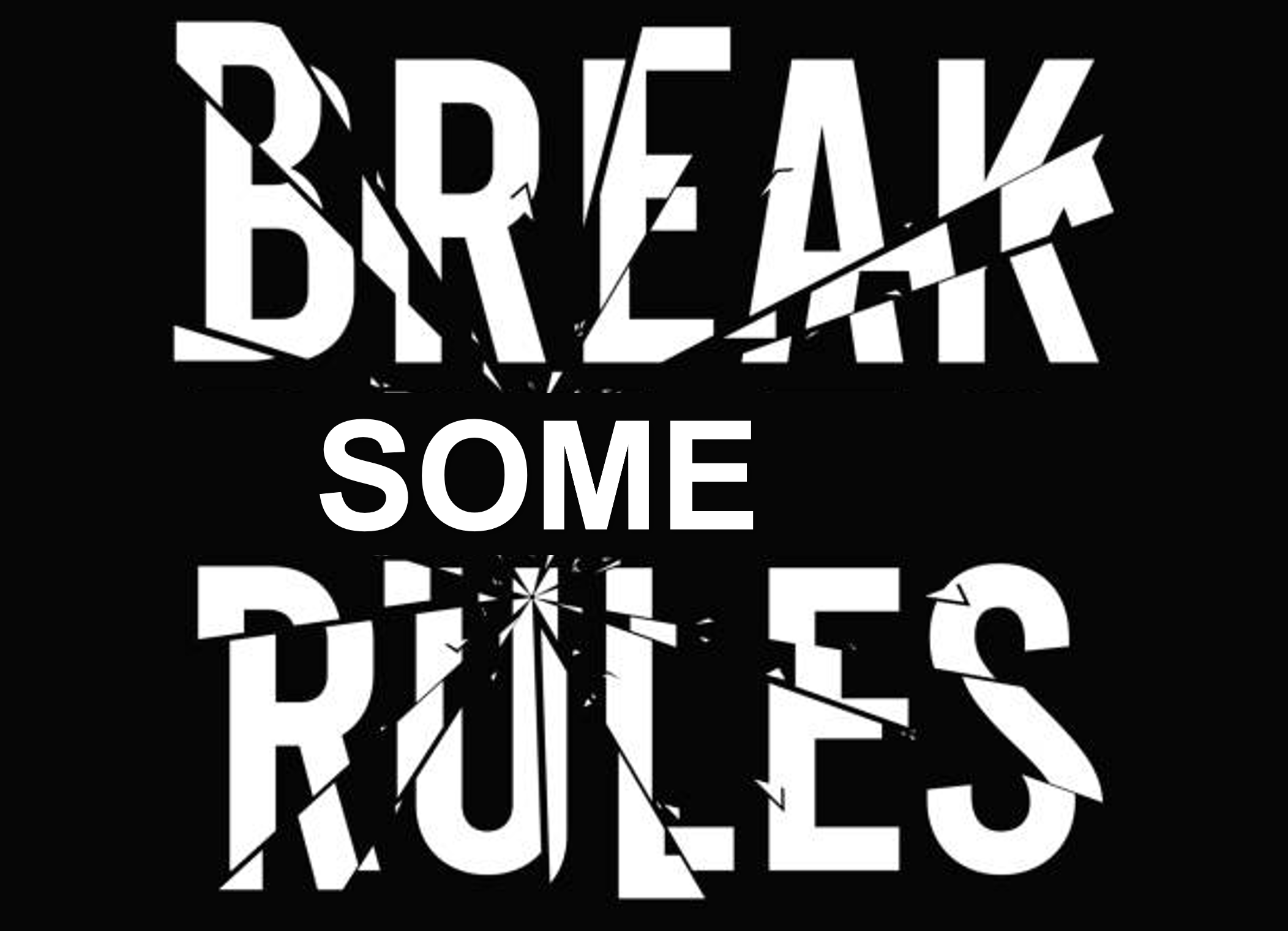
“Those who make new innovations and are successful in breaking the rules are creating the new rules. And in a never-ending cycle, those new rules will have to be broken as well.” From “The New Rules of Innovation” (2012)
There are so many individual thought pieces that can be discussed when writing about innovation… but risk-taking and rule breaking are two that I have NOT specifically targeted… so far!!
As you… we… all watch and participate in a world that realizes change on almost a minute by minute basis… old ways and old rules just seem to be a heavy weight around fast-paced progress. Even when the latest innovation arrives and some question its success impacts… if it improves the status quo… it must be considered some form of “winner”.
Hence as the opening quote proclaims, if you don’t plan to: Break Some Rules!… progress will remain at the “held hostage-starting gate.”
During my Director years, one of my biggest innovation rule-breaking challenges was to inform those at the next higher level of leadership that applying their old rules to our new way of service delivery… would NOT work! Whether we framed our new initiative as a “demonstration project” or “pilot program”, the ultimate goal was to up-scale everyone’s mindset on how to evaluate us. New/alternative “measuring sticks” were debated and ultimately applied because traditional rules of performance needed to be “broken”!
Bottomline: if you really believe in innovation and you Break Some Rules… it should not be considered illegal/subversive/disrespectful or non-compliant. Rather it should be assessed, non-traditionally measured and given appropriate support for an attempt to modernize and encourage progress. Additionally when one Breaks Some Rules…unplanned successes and diverse development outcomes often occur!
Remember, innovation action needs to be accepted and encouraged…. or new successes may never be allowed to grow.
This month’s Inspiring Innovations LEARNING MOMENTS podcast is all about trying a “Weights” system to improve your life and workplace decision-making process. Is the podcast message a little confusing… yes…but so is basic decision-making. Does every decision include “weight” factors that vary based on the occupation you have, the business you own, how old you are, where you live and the people you trust to give you great advice? I told you the podcast makes you really think!!
My 1-5 Weighting System recommendation does not make decision-making much easier. However, I believe it will give you insight as to what factors most influence a certain decision. Then YOU have to decide if you are giving all considerations a fair contribution to the decision… or just one or two major ones.
One of the most “fun” and thought-provoking times during many of my American Government & Politics class sessions is when I pose the open-ended question:
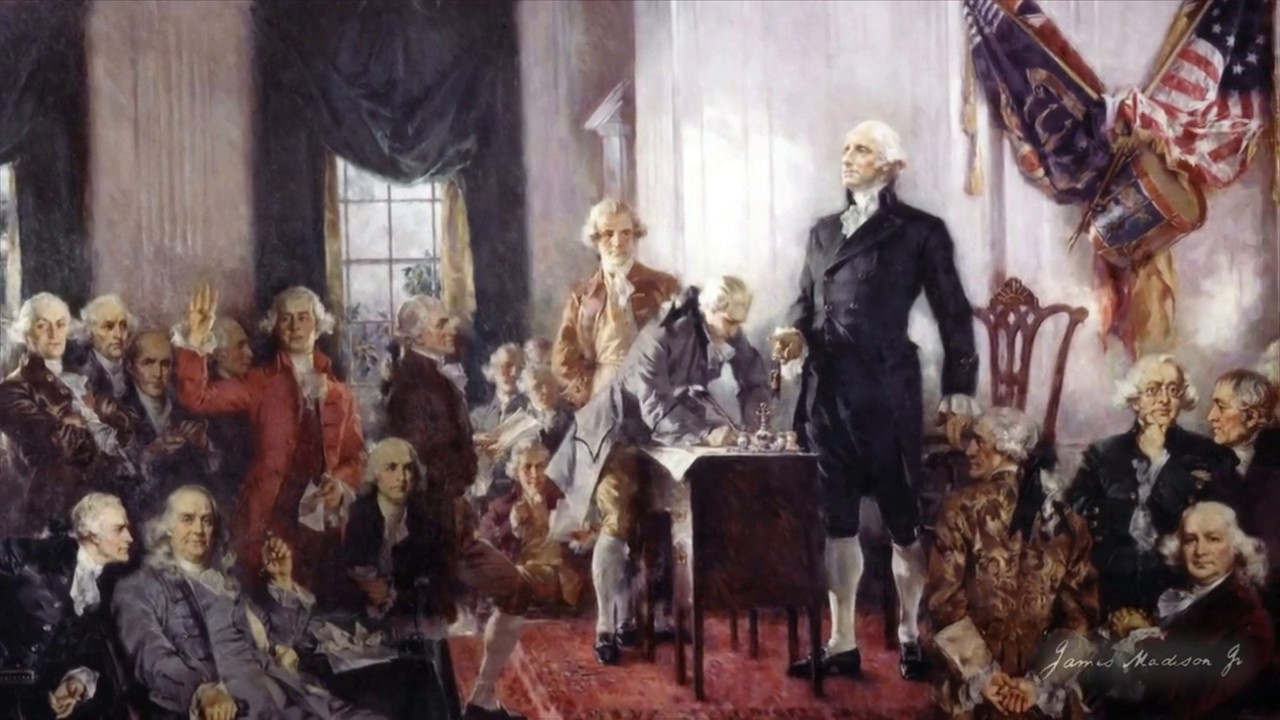
“What would the U.S. Founding Fathers think and/or say about an issue?”
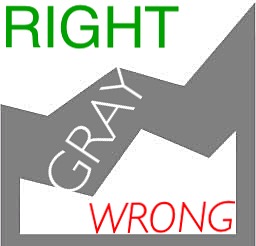
Thankfully I get more participation and for sure a lot of differing suggestions. But in so many instances the class found themselves at a clarification point that asks: “Would the Founding Fathers say a certain action is: “Right?-Wrong? Or Gray?” in its advancement?
Let me better explain our discussions with examples and hopefully make clear why this is a timely TRIPLE III TIME message topic.
First, think about political name-calling. Everyone agreed that the Founding Fathers would take the position that it is professionally “Wrong”. The class also pointed out that today name-calling is not allowed on the playground or in the classroom…so why is it condoned at the highest levels of public sector jobs? The explanation I offered was “Freedom of Speech constitutional laws”. And although they understood the Freedom of Speech rationale…they could not accept that what’s “Right” and “Wrong” can be placed in a “Gray” area when committed by famous people or those holding high-level jobs.
In another “Right?-Wrong? Or Gray?” discussion…the focus was on how deep the United States could go into debt. And again similar to the name-calling issue, the class agreed that it is “Wrong” for our country to be in any kind of debt…much less over $30 Trillion! Plus it is noteworthy that they reminded me that citizens aren’t allowed to legally go into that kind of debt and that the Founding Fathers would be appalled.
My not so acceptable explanation was that the long-term, large debt was just a part of the U.S. doing its “business as usual”. We all agreed that the “debt” issue could never be considered as a “Right” action and even in our worst of times should it be permitted as permissible within the “Gray” area.
The goal of this week’s TRIPLE III TIME message is NOT to make a political statement…rather to encourage everyone in their personal and professional lives to try and stay in the “Right” area of action and decision-making. Overuse of the “Gray” area lessens your ability to: (1) show true commitment to what you stand for…(2) have co-workers trust in your ability to make quality future business decisions…and (3) provide confidence in your understandability to do the “Right” thing every time…all the time.
When you think about professional development, sometimes you need to look in the mirror and consider you… your business… and your organization’s current and long-term value in the marketplace. Are your services… products needed, and growing… or fading and sliding toward that “obsolete” category?!
This Building Indispensability podcast is meant to encourage everyone to self-check their value in the workplace and customer needs arena. This assessment should be a natural business/organization/personal exercise to ensure appropriate changes and progress actions are taken to continually place you and your group in that “you can’t be successful without me” category!
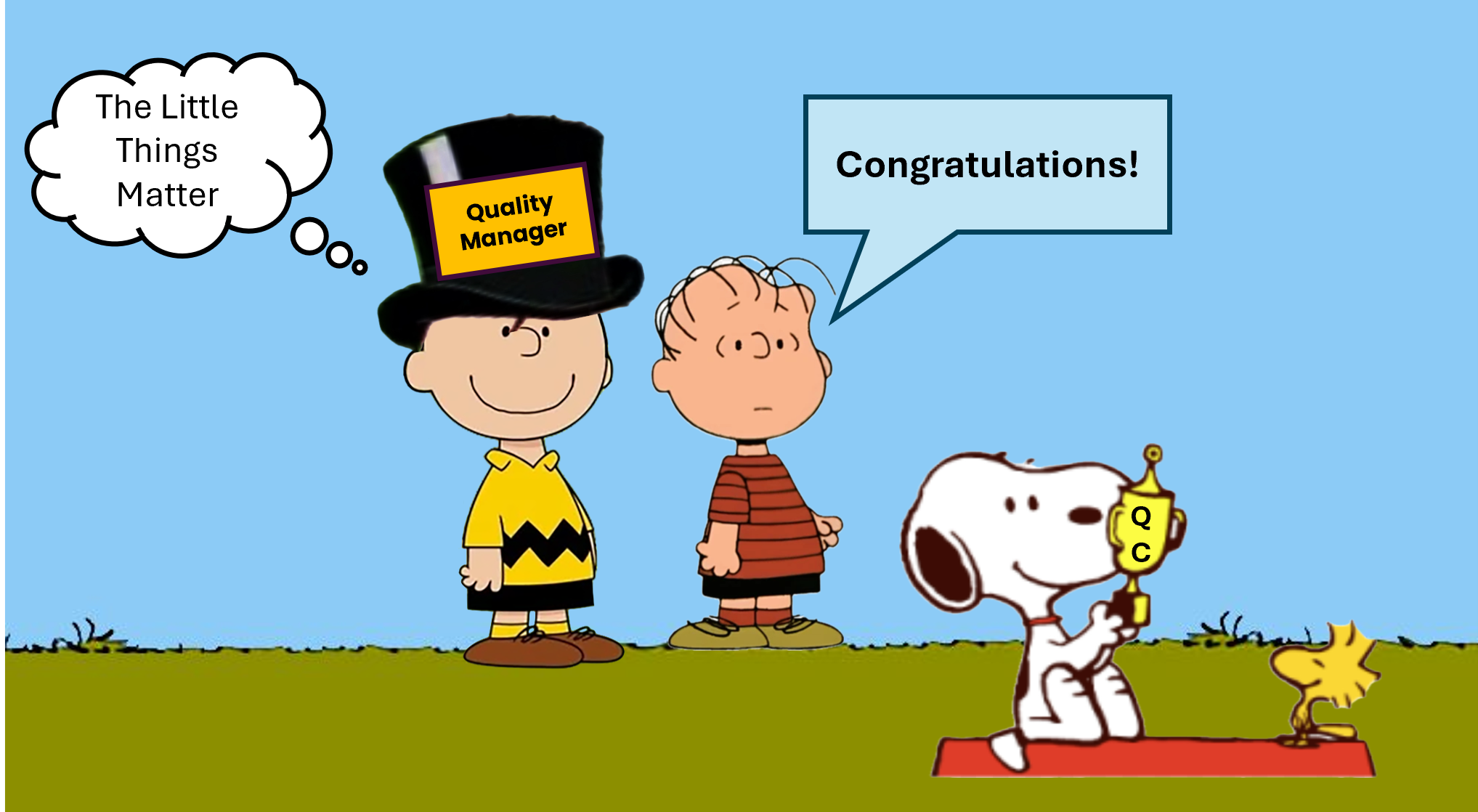
No matter what employment sector you work in…there is a common…important need for Quality Control. Even if your job currently is being a high school student. The quality of the homework you complete and/or the way you conduct yourself in the classroom…all can be labeled a different form of Quality Control.
I’m guessing you are forming a quick understanding of the: Quality Control – The Little Things Matter…focus for this week’s TRIPLE III TIME message. Tell me if your thoughts follow these special TOP 10 examples:
Return phone calls or online messages in a timely manner…it is an important personal responsibility.
PROOFREAD what you write or send…your words are a “vision” of you.
Provide adequate notice for future assignments or meetings…it is professional courtesy.
Meet deadlines for work assigned…don’t follow a “that’s close enough” approach.
In our electronic age…confirm receipt of information/messages…don’t make the senders assume receipt.
Try to guarantee accuracy in your communications…inaccurate “pass-alongs” to multiple people can cause endless problems.
Voice tones in the delivery of written or oral directives have more Quality Control impacts than most realize.
Don’t question yourself when over-sending information to people…because under-sending and leaving people out would be a bigger issue.
In all areas of what you do and how you do it…commit to a Promises Made-Promises Kept routine.
Finally…although it sounds little in function…always try to do one extra “progress thing” each day (more ideas/insights/information/initiatives/inspirations).
Somehow this TOP 10 list of Quality Control – The Little Things Matter doesn’t really seem so “little”!
I hate to admit it…but as I have “aged”, I have taken just a little more time when communicating in any form and moving less quickly forward on most new initiatives. Now don’t start thinking that because I am getting older that my whole being has begun to slow down…NO! Rather I have more recently realized better…the greater value of: Allowing A “Recognition-Pause”.
What am I trying to explain?
During my entire work history I can honestly say that I rarely took time to really celebrate a specific organization/professional “win”/achievement! Rather my focus was to stress the importance of “what next and what-else” still needs to be done. Even when the Board I was responsible to specifically asked me to spend more time discussing the cool stuff we were accomplishing…I would tell them that that was “old-news” and we need to look forward to the future. New ideas and innovations were the priority…every time…all the time!
Was I extremely lucky that I had great support from Board members and the group that worked with me…yes! However, did I miss the unique support value of Allowing A “Recognition-Pause” from time to time and encourage a special celebration moment so that everyone could be at the same progressive “place and time” on a specific achievement…YES!
Bottomline: Don’t always focus on what’s still left to do…organizational fatigue can be paralyzing. Reflect and learn from the achievements/successes realized…even in one day. Again to some they may be baby-steps forward…but to others they may be a once in a lifetime opportunity! By Allowing A “Recognition-Pause” in your workplace…you may experience even greater service consistency and performance.




 Inspiring Innovations, Inc.