TRIPLE III TIME: Onboarding – My “Unnatural” 5!
Onboarding – My “Unnatural” 5!
New employee orientation… or Onboarding as it has been renamed has been and continues to be one of the most critical Human Resource (HR) assignments. This approach is evidenced in this excerpt taken from www.bamboohr.com:
“Onboarding for new employees-and for the company-is a critical time, especially during the first seven days. Nearly half (44%) actively regret their decision to join after the first week, and after the first month, 70% of your new hires will have officially made their decision to exit or stay. That means that any missed details during an employee’s first few weeks could lead to a negative employee experience, which in turn could affect their performance, retention, and ultimately, the company’s reputation.”
Hence, spending extra time and effort bringing someone into your business or organization is time well invested.
Also, history and standardization of information provided to the new person should never be taken for granted including:
*Job Description *Hours of Work
*Company Overview *Security
*Probation *Attendance
*EEO Issues *Discipline
*Benefits *Compensation
*And a number of other more specific personnel issues.
These categories of personnel compliance are therefore always a major element/time commitment when introducing someone to your workforce.
However, I would NOT be following my own innovation principles if I did not share my: Onboarding – My “Unnatural” 5 ideas with you. So think about:
- PERSONALITY: I believe sharing the historic and current operational PERSONALITY of your company/agency with every new employee is critical. Treatment of customers and partners…marketing style… and internal family connectivity are all important.
- TEAM TIME: Stating and sharing why “no one goes it alone” in your business/organization, and that working and achieving together is a requirement for everyone/everyday!
- LEARNING COMPETITION: It is poor planning if you do NOT factor in learning about your competition. No one/group/organization is perfect… so get new employees on the “check-them-out-train” and learn more about the competition around you.
- HISTORY HIGHLIGHTS: I believe it is important to spend a little onboarding time talking about the history of your agency. Successes and failures should be included just to be honest about how different challenges are handled.
- CREATIVITY & INNOVATION: During an orientation time does anyone REALLY say… “we are REALLY supportive and encourage everyone to think creatively and adaptive to change!” (Be honest… do you really?) Well the time has come (over and over again) to be open and supportive of non-traditional, innovative ideas and concepts. That is what is called “THE FUTURE!”
Well that completes my sharing of the exclusive TRIPLE III TIME: Onboarding – My “Unnatural” 5! Many may touch on any one of these issues during an orientation session… but stressing them and prioritizing them… is not a regular action.
TRIPLE III TIME: Borrowing Ideas
Did you ever notice how many times and in multiple ways different companies practice Borrowing Ideas from one another. Whether it is the fast food industry, eye care, automobiles, home building or even ice cream… success in any industry may be quietly adopted by other entities as part of the competition mindset.
Does this happen in the area of leadership… or do individuals think that traditional or current concepts are “old news”? Well please read through this GREAT TED TALKS quote from author Harriet Minter to give you some insight into my TRIPLE III TIME Borrowing Ideas message and recommendation.
“When we, as leaders, are faced with a problem, we can sometimes feel that it is our job is to find a unique solution to it. However, when we open our eyes to other industries and technologies, we might just find that someone has already done the hard work for us, saving us time and potentially giving us a better solution than the one we would have come up with.”

I was lucky enough in my career to have both an encouraging Board and dedicated staff to begin Borrowing Ideas from other business sectors and blend them into our service designs. Was this action always successful… no? But did it create and maintain an energy of continuous improvement and innovation in our organization… YES!
Bottomline: Often the greatest challenge when considering Borrowing Ideas from another service/product area is that plain fear of failure. So maybe start small but if the concept you are considering borrowing has found success in another business/agency… it will… even in a partial way… offer progress for you too!
TRIPLE III TIME: Middle-Manager LEADERS
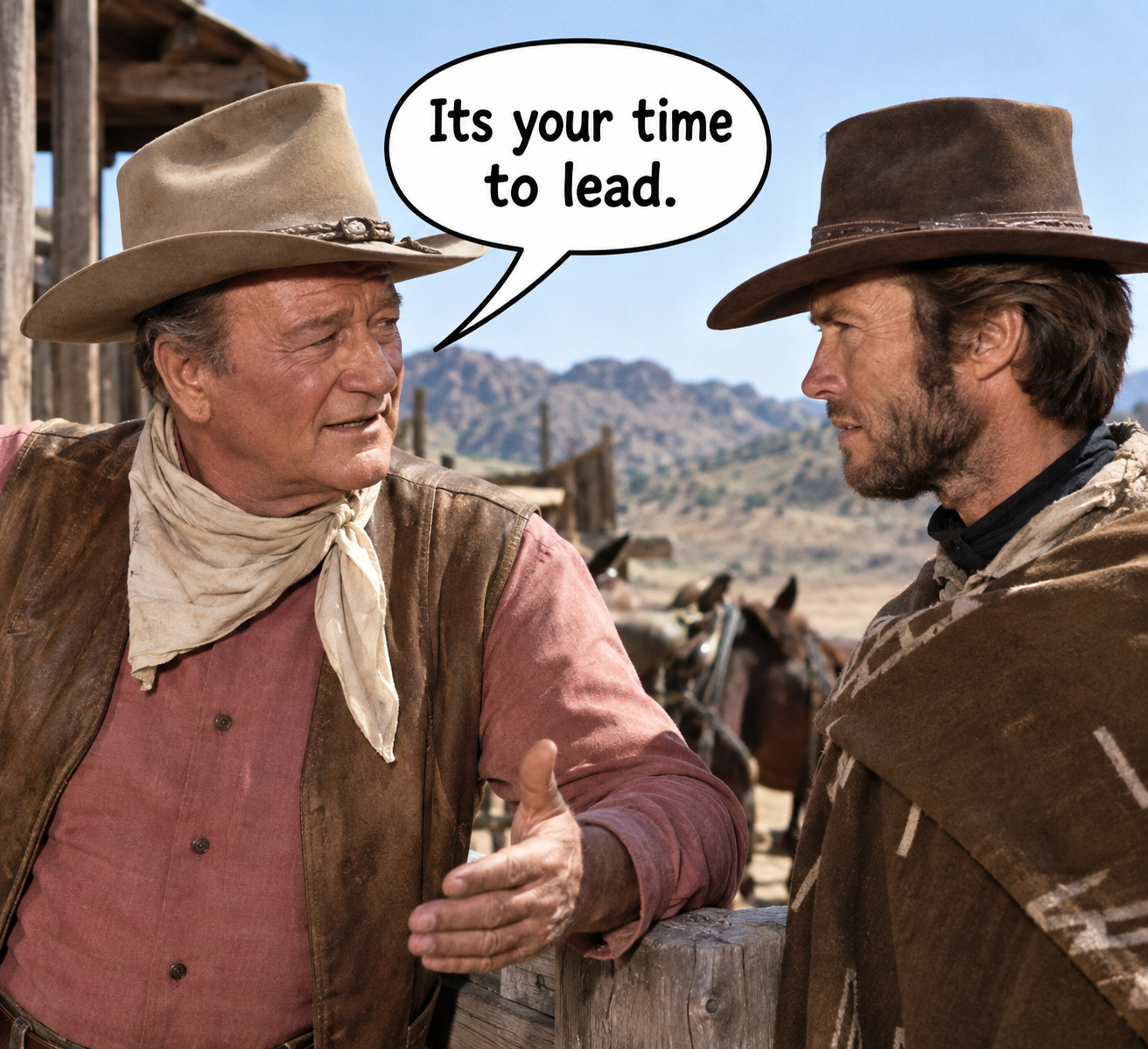
I am not sure how to start this TRIPLE III TIME Middle-Manager LEADERS message…except to emphasize the HUGE skill-gap that would exist without them. Way back when…when I was placed in a middle-management role…all other workers in the organization were at least ten years older than me! So did they really listen to what I had to say or accept my innovative concepts as valid…NO. Therefore in a confusing sort of way nothing was going wrong…but at the same time nothing was going forward either. And because my boss was focused on multiple fiscal and programmatic issues, his orientation time with me and all other staff was very minimal. (Did I say stagnation?!)
Those early workplace lessons I learned were so developmentally important as I grew in my professional positions. And the most critical factor of all was the high value of Middle-Manager LEADERS! Hence, for this TRIPLE III TIME moment, I believe an exclusive TOP 10 Middle-Manager LEADERS list of operational priorities is in order.
- Provide Middle-Managers appropriate leadership freedoms to exercise their valuable skill sets.
- Ensure they are not regularly “squeezed” between upper level and front-line staff situations.
- Provide adequate leadership and strategic planning training.
- Apply consistent, recognized job description expectations.
- Use an operational and administration inclusion strategy as a personnel standard.
- Recognize each Middle-Manager as potential organizational mentors and coaches.
- Use Middle-Managers in a “shared-leadership” fashion to set a progressive example.
- Stress the professional growth value of asking questions…by all in the organization regarding leadership roles.
- Minimize the potential of Middle-Managers being under appreciated/recognized.
- Never delegate “less-than-important” tasks using Middle-Managers as the dumping ground.
Strong Middle-Manager LEADERS make a good organization/business become and remain GREAT. Apply this TOP 10 in appropriate ways and watch creativity and growth happen.
LEARNING MOMENTS Podcast: “Spoiling” Staff or Building A Family Culture
This Month’s Inspiring Innovations LEARNING MOMENTS podcast entitled: “Spoiling” Staff or Building A Family Culture… is almost a reminder trip down memory lane.
Are you thinking about the title and the workplace activities connected to it??
Unfortunately in today’s business/organizational competitive world… not enough time and effort is given to building a family culture among staff. Sometimes it can be as simple as sharing a plate of homemade cookies. Other times it can be a little more complicated via allowance for unplanned health care time away from the workplace. But regardless, building a family culture results in a quality return on personnel investments.
I hope you enjoy this fun and professional development appropriate podcast. Maybe listen to is a couple of times… just for memory’s sake!
TRIPLE III TIME: Leadership-Diversified
As a continuous “student-of-jobs”… it is always easy to identify and discuss certain change trends that are common sense-ish! The impact of technology, virtual training and learning, and changes driven by an ever expanding global marketplace. But when you think about jobs in general, doesn’t it seem like more diverse actions and responsibilities are being added to every position? Duties that were maybe more self-contained in a previous job area are now just an added expectation of EVERYONES job?
Think about it.
Now think of business and organization leadership. Do they naturally absorb new job assignments and responsibilities because they are the BOSS? Or do they get a “generic-pass” and personally get to decide what trends they want to be a part of… and those they do not? However, I believe the growth terms: Leadership-Diversified creates a natural expectation that continuous improvement and job upgrade applies to EVERYONE on staff?
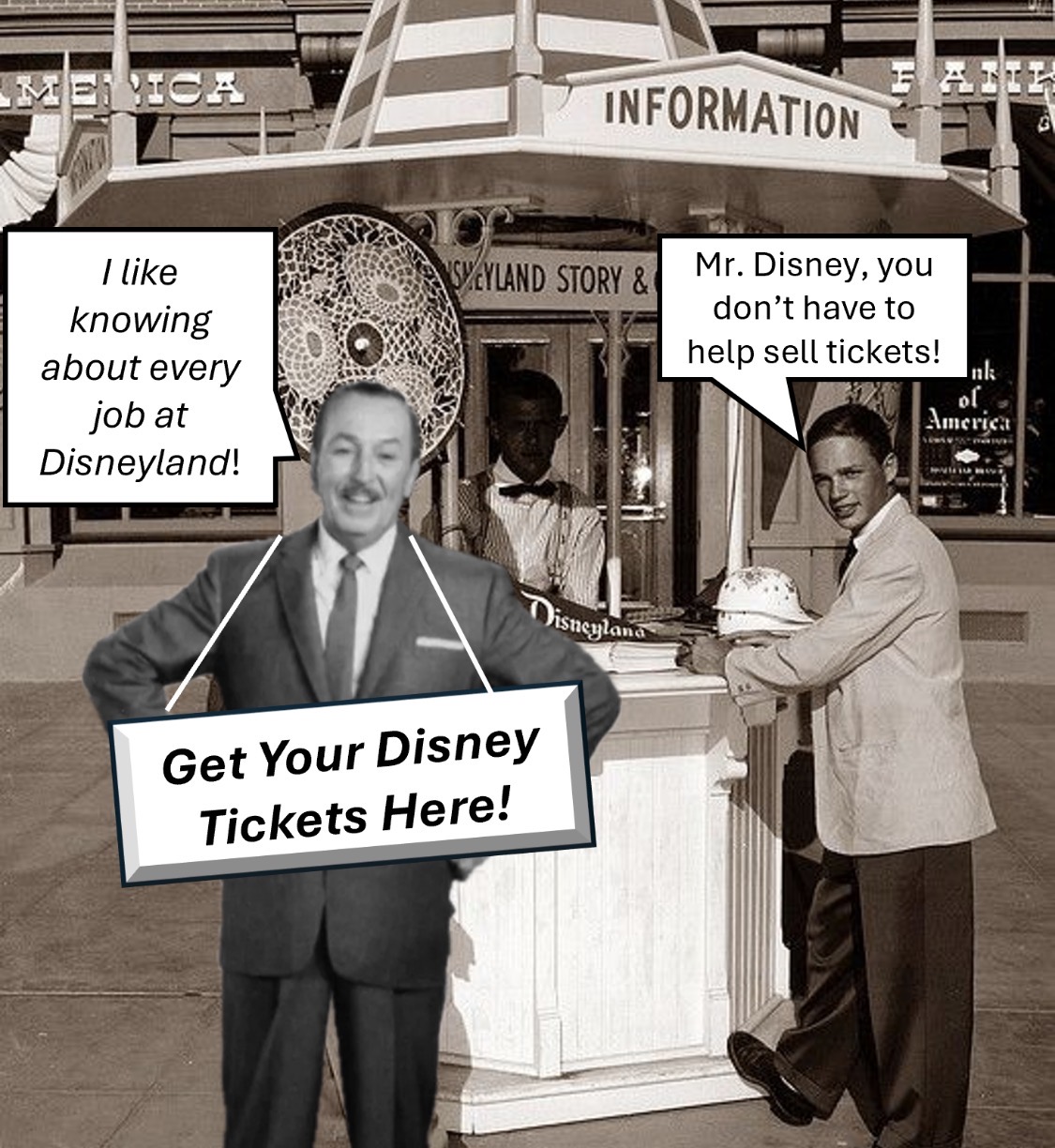
Would a personal, professional assessment honestly be easy to perform… probably not. However, Leadership-Diversified is a unique phenomenon that some take for granted… some believe will happen naturally and some often believe that the “little-things” are “not-my-job”. When truly it is the little things that often make GREAT LEADERSHIP happen.
Great leaders I believe need to periodically “take a look in the mirror” and ask themselves about the number of personal professional advancements they have absorbed in the last week… month… and/or year! And this assessment should also include a measurement of those job responsibilities and change-mandates they may have stepped by. Hence the major point of this Leadership-Diversified TRIPLE III TIME message is to promote that progressive leaders need to diversify themselves in reasonable harmony with others up and down the personnel groups they oversee.
TRIPLE III TIME:The Most Important “Thing”?
No matter which side of the table you are sitting at during a job interview…I believe it is critical for all involved to have something I call: The Most Important “Thing” that can be shared by each person.
What am I saying?
For this TRIPLE III TIME message I want to encourage everyone that takes part in the job interview process…whether you are the one being interviewed or the person doing the interview…to have in your mind The Most Important “Thing” that could make everyone leaving the interview feeling somehow special about JOBS!
I can’t even put a number to the times I have talked to young adults (and some not-so-young adults) about sharing something special about themselves during a job interview. I let them know that it doesn’t have to be an achievement “thing” or credential-based. Rather it could be a statement on how they helped with youngsters learning t-ball or drafting a short story for an English class.
As I indicated…I also believe it is important for interviewers to share The Most Important “Thing” from their perspective. Interviewing to be the most effective…needs to be a “two-way street” of communication. So it only makes common sense for those doing the interview to also take a moment or two to share a special time that reflects authenticity and/or something they feel strongly about.
Have I shared The Most Important “Thing” for me a time or two…YES! The “Thing” I have shared over time is that early in my job growth years…I played trumpet in my family polka band! Did the information get a chuckle or two…yep…but it also gained a different, valuable level of openness with those interviewing me and those I have interviewed. PRICELESS!
Think about The Most Important “Thing” for you and jot it down. Then use it in an appropriate professional moment and hear the results. I think you will be happily surprised.
TRIPLE III TIME: The Sad Decline of Listening Skills
One of the most unique topics that has been raised in my American Government & Politics classes has been: The Sad Decline of Listening Skills… EVERYWHERE. The topic was brought up during a discussion regarding the quality of virtual/remote class instruction delivery versus the historic in-person method. It was very clear from the discussion and comments made by almost every student in the room… that REAL… LIVE… interaction drives greater listening than any messaging that occurs via a computer screen!
Think about this excellent discussion and realize that sometimes quality maturity can show up in many forms… right? But then it was my time to add additional value to the critical topic they had identified.
So I began with a few questions. Do we listen better and more completely because it is a good professional skill… or just to prepare a stronger rebuttal? Does compromise between two people or two groups improve when good/great listening occurs? Or has it disappeared because we operate today in a very divided state… and therefore we only listen to better position ourselves as we pick the non-compromising side we want to win?
Then I discussed the value of in-person versus remote/virtual meetings. I asked them to think about how important it is for professionals to prepare for a business meeting. I also pushed them to think about participation levels at meetings based on high quality listening. Would someone prepare for and participate better in a remote/virtual session… or a live in-person meeting? Or would they pretend like they are listening and involved… but looking down at their cell phone and prioritizing “distraction”?
The bottomline “take-way” from this discussion for me was that young students very much recognize the difference in listening and learning levels that come from in-person versus virtual/remote situations. Some tell me that I am old-fashioned and not able to recognize the value of techno-listening and virtual communication trends! However, my final recommendation is that we all need to give REAL professional development attention to The Sad Decline of Listening Skills… and personally promise to improve.
TRIPLE III TIME: Quality Ownership
“The backbone of Total Quality Management at its biggest challenge, is motivating all employees and the company’s suppliers to achieve quality goals. Leaders of the quality movement use various methods and resources to foster a quality focus, such as training, verbal encouragement, teamwork, and trying compensation to work quality. When those efforts succeed, employees and suppliers will ultimately accept quality ownership, the idea that quality belongs to each person who creates it while performing a job.”
This excerpt taken from a book entitled: Business Essentials, written by Ronald J. Ebert and Ricky W. Griffin provides a solid statement of why and how everyone in your workplace needs to support Quality Ownership.
Whether you work in a private or public sector employment situation, knowing the responsibility for providing quality products and services to everyone that walks through the door… is YOUR job! The costs for poor quality at all levels in an organization or business can result in lost revenue, increased competition, negative public opinions and even loss of reliable employees. And with the unbelievable expansion and speed of social media messaging… the sharing of poor quality service or product examples often gets shared faster than good information.
Bottomline: Never… NEVER underestimate the high-value nature of providing quality outputs. If you are in a one-on-one meeting… be sure you share accurate, up-to-date, relatable information to your customer. Regardless of what service level the individual you are meeting with comes to you for help… quality never should be taken for granted.
Also, I believe it is critical that everyone should think about quality if it’s YOUR name on the company door. And that view of Quality Ownership should bring out your best everyday… EVERYDAY!
LEARNING MOMENTS Podcast: Succession Planning “EXTRAS”

Did you ever have the opportunity to participate in a succession planning activity when an employee decides to leave…and/or retire. It is always a challenge finding the new – right person but typically you only hear the “succession” word when an employee is leaving or retiring… right?
Well this month’s Inspiring Innovations LEARNING MOMENTS podcast recommends taking the traditional limits off the succession planning activity and offers a few Succession Planning “EXTRAS”!
There is a lot of discussion contained in this LEARNING MOMENTS message. Maybe listen to it a few times to make sure all the podcast minutes make progress sense!
TRIPLE III TIME: What’s in YOUR Professional TOOL BOX?
Diversity on-the-job seems to be growing… no matter the occupation you hold. Whether it is the list of expectations contained in a job description… or pops-up as one of those “Other Duties As Assigned”… expanding the duties of many employees has become a more standard mode-of-operation.
So is there anything specific one can do to better prepare for this workforce expansion area? Well maybe a quick review of: What’s In YOUR Professional TOOL BOX?… is a good place to start.

First it is important to understand that your Professional TOOL BOX is not just a copy of your resumé and related credentials. Rather your TOOL BOX is a physical and mental container of products, information and materials that exemplify why you are solid, growing professional. Consider a personal FACT SHEET that contributes to concepts that make you special in the workplace. Something different than a resumé but highlights similar growth achievements and your potential assets to the organization?!
Next I believe your TOOL BOX should contain a list of unique values you offer to any job. Do others know what YOU consider important employment and responsibility values? Also rather than a standard list of professional references… how about an extended list of teachers that have made a difference in your world and/or colleagues that you have partnered/worked with to make a product/service better or more profitable?
A computer and cell phone in your professional TOOL BOX would be more than logical and appropriate… as long as they were always up-to-date and flexible enough for any progressive opportunity that may occur. Today’s world demands more adaptability, critical foresight, managed patience and a pre-packaged TOOL BOX of confidence.
So seriously challenge yourself today and ask: What’s In YOUR Professional TOOL BOX?

