Category Archives: LEADERSHIP – ALWAYS!
TRIPLE III TIME: “Practicing What YOU Preach!”
First let me admit that taking on this topic message: “Practicing What YOU Preach!” has been avoided for quite some time. Why? Maybe because I am not the best…most complete listener that I preach everyone should be?! Or maybe I take calculated risks more often and maybe more risky risks than I would admit to in some of my weekly TRIPLE III TIME blog messages. However, no matter my position, the professional value in this life-long statement of wisdom is regularly accepted across everyone’s workplace and life situations.
Therefore, in order to give “Practicing What YOU Preach!” its full TRIPLE III TIME notoriety, here is a customized TOP 10 that I am sure will hit-home with many:
1. Are you giving someone else’s good idea a real, solid chance?
2. Are you revising your stance that just because your best way worked 15 years ago…it may not be the best way today?
3. Are you giving employees, partners, customers, co-workers, family…a second or third chance?
4. Are you not being immediately defensive when questioned about an action you took?
5. Are you accepting change as standard-business activity?
6. Are you not preparing an answer in your mind…before you hear the whole story?
7. Are you really getting things done ahead of schedule…or are old reminders still necessary?
8. Are you still ignoring quality research and data that says your cool idea isn’t cool?
9. Are you limiting your techno-time or are you now addicted to social media?
10. Oh yeah…are you listening better and more completely everyday…EVERYDAY?
I am sure you are looking in the mirror when you ask yourself the question are you “Practicing What YOU Preach?” about these or other questions. Who knows…honesty may show up.
Have fun with this TRIPLE III TIME exercise!
TRIPLE III TIME: Avoiding Leadership Inconsistencies
If someone asked you if you were always consistent in your leadership decisions… style… policies… what would your answer be? Or if someone accused you of always being somewhat inconsistent as a leader… what specifics would you find yourself thinking about?
Well in order to better apply our focus to this week’s TRIPLE III TIME topic: Avoiding Leadership Inconsistences, let’s begin with the official definition of Inconsistent.
INCONSISTENT: “Not staying the same throughout…acting at variance with one’s own principles or former conduct.”
In today’s fast-paced, ever-changing world, the challenge of not (at least occasionally) being somewhat inconsistent in one’s leadership responsibilities is understandable. First, think about how decisions and strategic discussions are shared and viewed not only instantly online, but potentially with a much wider audience than ever before. The resulting internet-driven opinions and observations offered naturally as “unofficial” responses often create more personal leadership action questioning and “second-guessing” than in the past!
Next think about the inconsistencies that may be generated from the always expandings social media level of information-sharing that occurs on a daily basis. I can think of several times I received extra/valuable information shortly after making a critical decision that would have altered my action!
Finally consider the impact of in-person versus online/virtual meetings. Was the leadership topic discussion as high quality as it could have been when conducted online? Was there a solid feeling of information-exchange confidence…or were the decisions/style/policy questions all just adequate? I know everyone knows what I am referring to.
Avoiding Leadership Inconsistences is a priority preventative maintenance activity for all leaders. The need to selectively, directly, and time-appropriately address decision areas has become more critical in our modern-day business/management worlds-of-work. Your time is YOUR TIME…. use it wisely and use whatever time you need to be leadership consistent everyday… EVERYDAY!

TRIPLE III TIME: Advancing Branches of an “ACCOUNTABILITY TREE”
“There probably isn’t a more significant or more critical challenge for any leader at any level than supporting accountability and fairness. In the final analysis there will always be people who reject accountability if it doesn’t immediately support their cause or situation. And sometimes doing the right thing can come at a high price. Nonetheless, it is evident that most people thrive in an environment in which accountability and fairness define the organization’s culture.” (Dr. Lew Bender)
Selecting a meaningful quote from my mentor, colleague and long-time friend Dr. Lew Bender was not difficult when I considered ACCOUNTABILITY as this week’s specialized TRIPLE III TIME message focus. In his classes, workshops and written articles…Dr. Bender has always had a comfortable, common-sense manner of bringing forth critical issues and making them applicable in anyone’s world-of-work. He has followed that “trend” in his quote on ACCOUNTABILITY.
But wait…what does all of this great information about Dr. Bender’s instructional style have to do with this week’s TRIPLE III TIME message: Advancing Branches of an “ACCOUNTABILITY TREE”?
The answer is simple! First take another look at Dr. Bender’s quote and pull-out the separate terms that all connect with ACCOUNTABILITY.
- Critical Challenge
- Fairness
- Cause/Situation
- Doing Right Things
- Leader
- Support
- High Price
- Organizational Culture
Then picture an “ACCOUNTABILITY TREE” with all of these very important terms shown as “branches”. Can you see it? It truly represents a very progressive, impactful visual.
![Accountability Tree[10332]](https://inspiringinnovationsinc.blog/wp-content/uploads/2022/10/accountability-tree10332.png?w=604)
The Bottom-line III Message: I believe most organizations or businesses do not train their staffs well in the area of ACCOUNTABILITY. No matter the focus…individual…teams…or the entire entity, everyone should consider, reflect and contribute to Advancing Branches of an “ACCOUNTABILITY TREE”. Issues like clear expectations, honesty, directness, behavior, performance, roles, and communication all have a place on an Advancing Branch! And if these factors are progressively dealt with by ALL…the Branches WILL advance and grow. If not…will you know what will happen.
And as always…THANKS Dr. Bender for your help and support!
TRIPLE III TIME – Customers: Always A Science Project
 Did you ever think about the option of studying your customers in the format of a science project? Think seriously about it. In my consultant role too often I find that businesses and organizations do not allocate enough time and energy to the natural rediscovery of who their customers are and how they may have changed over the last year or years. And if you are wondering how I facilitate the rediscovery process, here is a list of questions I toss out for individuals or groups to consider when thinking about Customers: Always A Science Project.
- Are your customers historically the same (i.e. male/female/age/income/urban/country/etc.)
- Are your products/services always changing and therefore always causing you to search for different customers?
- Have you ever ranked your customers in relation to their value to your company/organization?
- Do you want a different customer base?
- Do you not really care about a target customer as long as someone is coming through the door or visiting your website?
- Do you “test” new products/services to determine evolving value/need?
- Have you ever changed your hours of operation to consider alternate times to be open?
- Can you consider a transportable business location option…to go to where today’s customers are?
- Have you surveyed customers to help you determine “What-Else” to include in your product/service line-up?
- Do you think GOOGLE, McDonalds, GM, Frito-Lay, and other private and public entities engage in Customers: Always A Science Project actions?
I guess the most important point of this special TRIPLE III TIME TOP 10 list of customer questions is to NEVER TAKE CUSTOMERS FOR GRANTED! Be and stay up-to-date on your ability to be the best and customers will respond.
TRIPLE III TIME: Personnel Policies & Benefits
Some of the biggest employee-employer challenges today are found in the area of Personnel Policies & Benefits. Each of these factors impact a company/organization’s greatest asset…their employees…everyday in some manner. Whether a union is present or the employer has a “family history” of relationships with its workers, dedicating appropriate time and development to building quality Personnel Policies & Benefits on a regular basis…is time well invested!
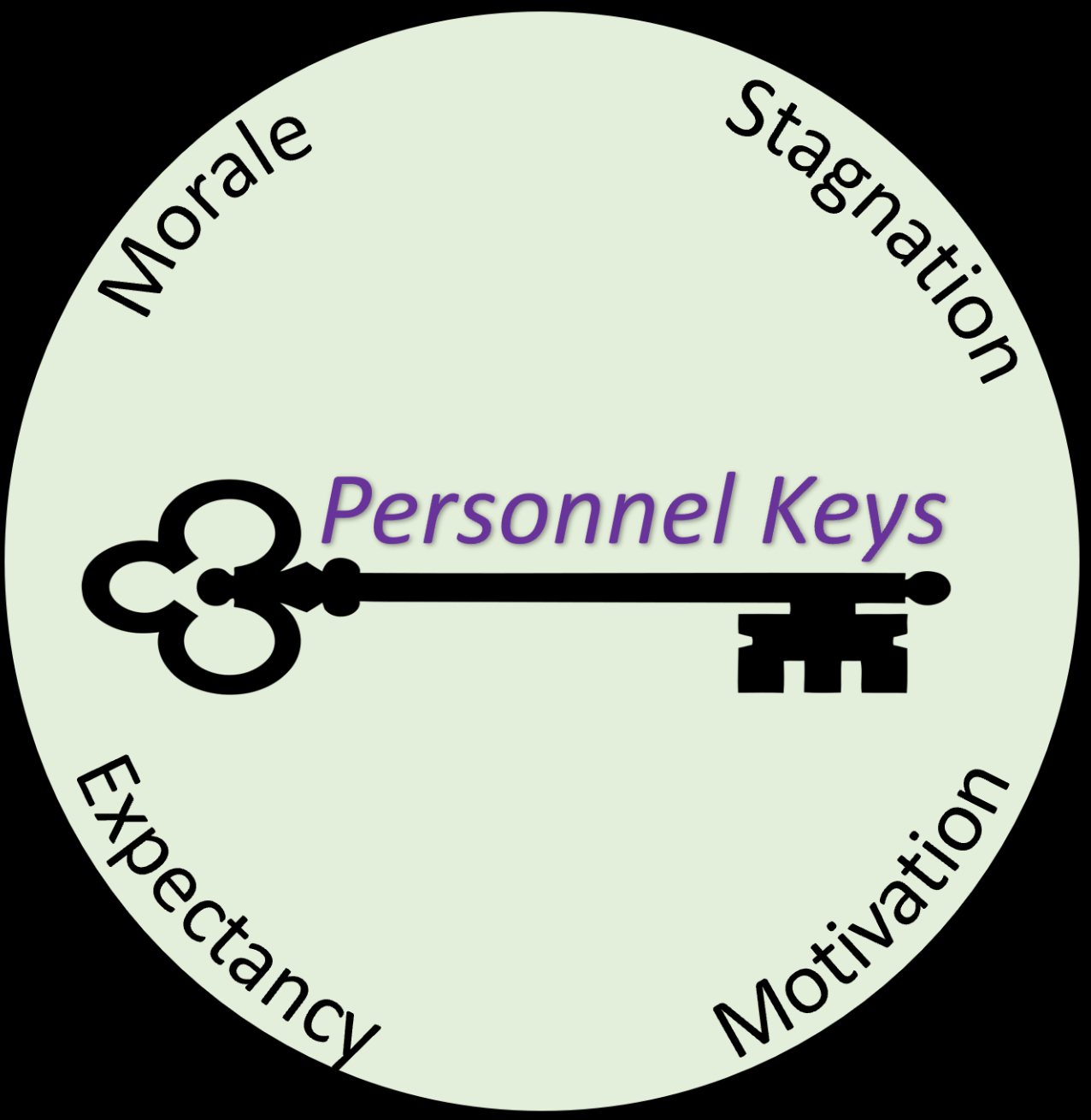
More specifically personnel policy and fringe benefit changes are often leaderships toughest responsibility. They are sometimes given more attention because it’s “necessary”…and not because it’s progressive. So for this week’s TRIPLE III TIME message, I want to just talk about four (4) special terms that are key to managing the world of Personnel Policies & Benefits.
- Morale: It is so important to employee morale to show REGULAR attention to Personnel Policies & Benefits. One will never be able to measure the value of job satisfaction among workers when they know you prioritize them on a REGULAR basis. Company changes/improvements can be small…but the benefit of everyone feeling cared about is huge!
- Stagnation: “Not moving, not active or developing”. This definition of stagnation is exact in its description of not being attentive to progressive Personnel Policies & Benefits. Business/organization workforces change almost daily…so applying the same level of change attention to personnel policies and benefits will help avoid employee/business stagnation.
- Expectancy: Worker expectancy is one of the biggest disrupters caused by not updating Personnel Policies & Benefits. “Charlie got a raise every year in the old days…why not me?” This example of expectancy is just one of many that can be brought forth if employees do not recognize that policies and benefits must change and flex with the economic times. Communication in this area is critical.
- Motivation: Did you ever notice the progressive energy that is felt when someone in a leadership role buys donuts/cookies for everyone…totally unexpectedly! Think of this example reaction when employees assume that Personnel Policies & Benefits are only considered/updated every two years? Giving the right kind of appropriate and consideration awareness time to personnel issues can in itself be a wonderful motivator.
Morale-Stagnation-Expectancy-Motivation are four critical factors to consider in the area of managing Personnel Policies & Benefits. Truly there will always be business/organization ups and downs, however maintaining an ALWAYS IMPORTANT approach to employee value will help them remain a true asset everyday…EVERYDAY!
DEMOCRACY=Continuous Innovation & Change
“Democracy is essential in organizations that rely on the creativity of all workers to produce continuous innovation. Innovation requires democratic processes: the sharing of information across departments, functions and organizational levels; team decision making; conflict resolution; and deference to the person with the best idea rather than the most senior title. Also, democracy is inevitable in environments that must accommodate rapid and endless change. Democracy in industry is not an idealistic conception but a hard necessity in those areas where change is ever present and creative scientific enterprise must be nourished. For democracy is the only system of organization that is compatible with perpetual change.”
These words taken from Charles Garfield’s book: Second To None…The Productive Power of Putting People First are so SO important when strategizing on how your business or organization should function and go forward.
As you think about all of the very important factors included in those quotations, take a minute or two and apply them to your world of work. Does your entity have:
- An open design for soliciting ideas and improvement suggestions from anywhere within the organization?
- An ongoing succession process for moving the right people into the right positions to facilitate progressive change and innovation?
- A time/structure/system for quality, thorough, communication up and down and across your business/organization to ensure productivity/service understanding and competency is always the priority?
It is a pleasure to use the term “Democracy” in this TRIPLE III TIME message as a positive element in the area of Continuous Innovation & Change! I recommend re-reading the quotes and consider even more high-value applications of it’s meaning.
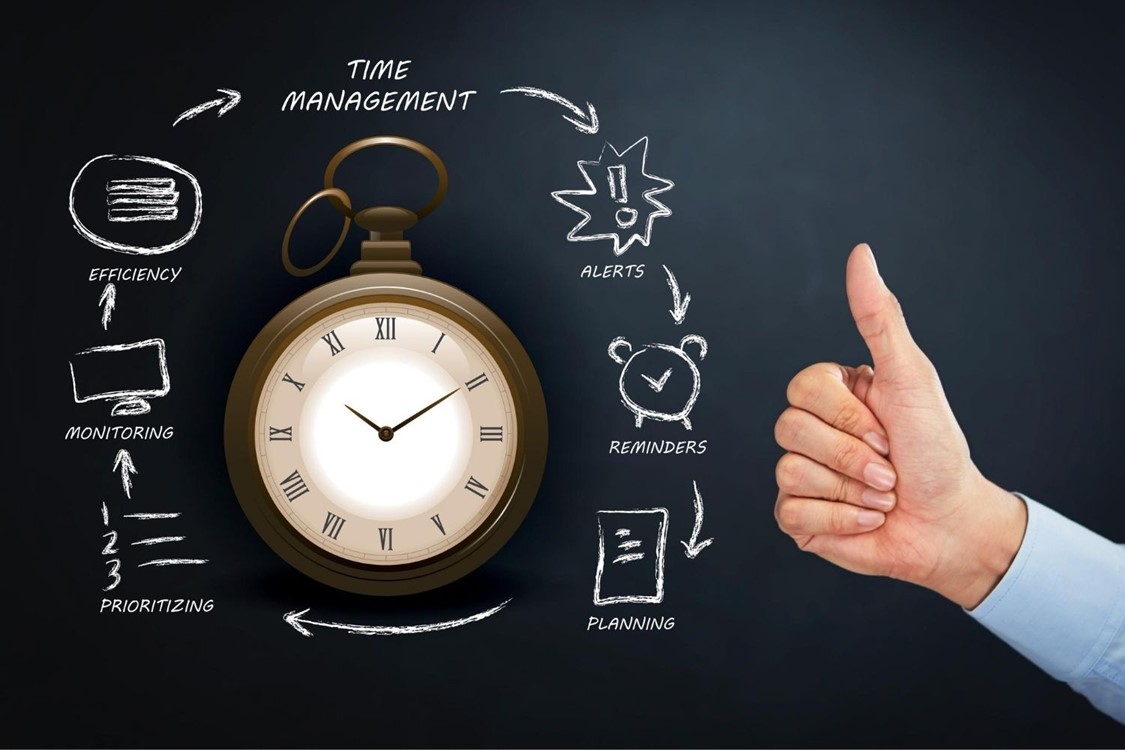
TRIPLE III TIME: Problem Employees & Time Management
One of the more “traditional” challenging leadership issues is dealing with Problem Employees & Time Management. Too often leaders spend way too much of their time exclusively dealing with one or a couple of employees who always seem to be adverse to the benefits of teamwork and setting a positive, progressive workplace example.
You know what I mean.
During my role as a Director, I would make it a major priority to share my time with co-workers on the most equal level as possible. Understandably there were times when problem employees required more time than was appropriate and truly, I felt the twinges of unfairness of attention to the rest of the gang who were on the job and doing their best everyday…EVERYDAY! And it was only by making time management a priority in this area that I believe I attained a pretty good balance of attention to all personnel.
The bottom-line for this TRIPLE III TIME: Problem Employees & Time Management message is to encourage all leaders/managers in all companies or organizations to prioritize time management among staff. This means: (1) avoiding allowing problem employees to maximize your time, (2) not enabling problem employees to draw your energy away from cool, new ideas and only focusing on negative issues and, (3) consistently “short-changing” the majority of your workers of your supportive and creative time
Quality time management on its own is an everyday challenge in all work/life situations. Is it easy to accomplish…no? But by making it a major priority in your role as a leader…you will attain the support and appreciation of those most important.
TRIPLE III TIME: Co-Worker Conflict/Leadership/Customer Service (A Mixture Message)
One of the toughest leadership challenges is addressing Co-Worker Conflict. In many instances it (conflict) is the result of just plain personality differences… and are those really changeable? But even more critical to an ongoing Co-Worker Conflict is its very negative impact on the delivery and effectiveness of quality Customer Service within and outside of an organization!
Co-Worker Conflict can negate inter-organization clear and concise communication. It can spread an “illness” of non-cooperation among staff. Co-Worker Conflict can limit or even destroy any plans for a new, cool innovative product or service. And this list can go on.
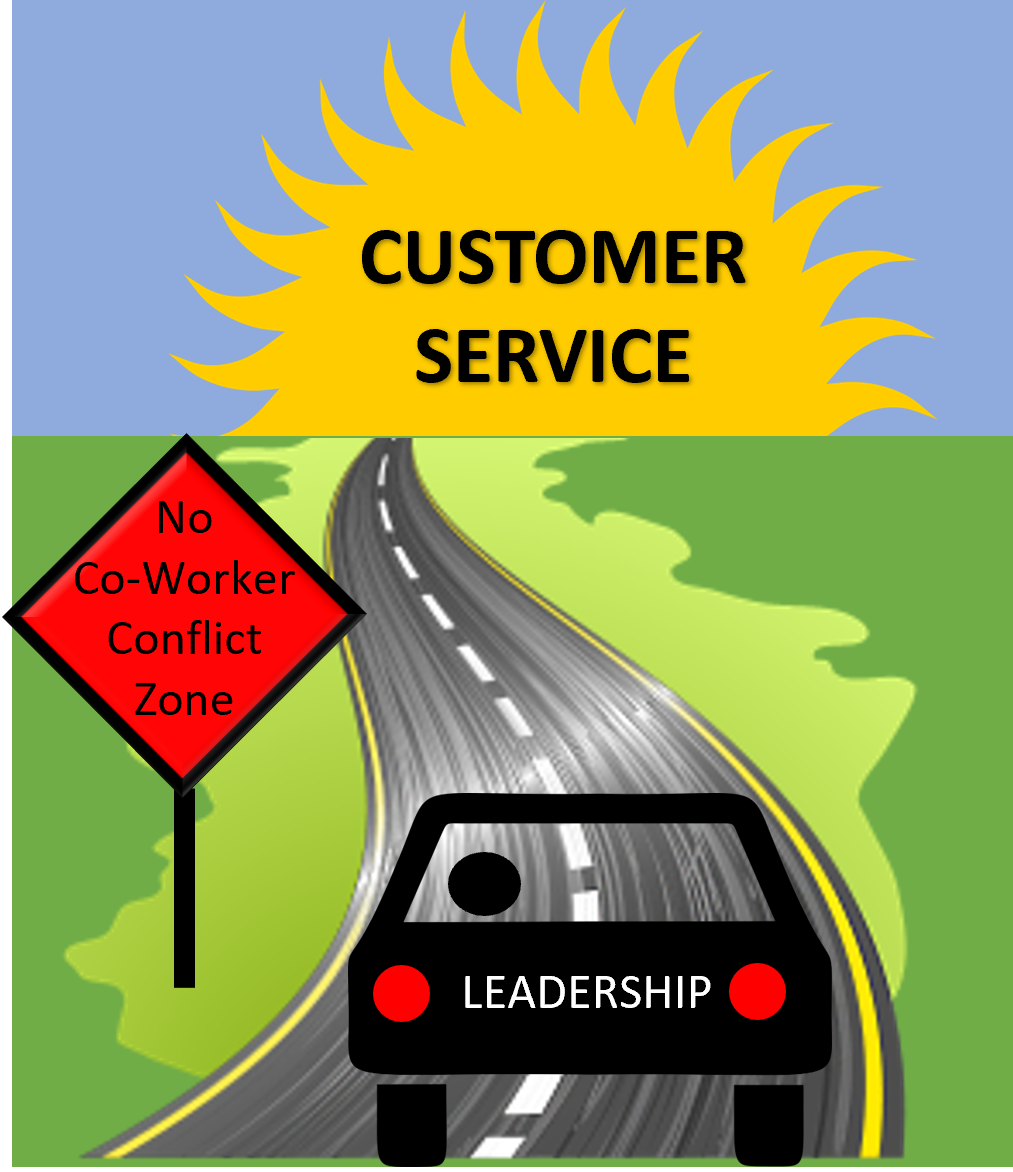 One of my most effective Leadership actions to deal with Co-Worker Conflict was to remove the decision-making authority on a challenge issue from the “conflictors”. My directive sounded something like this: “If you can not resolve this issue between yourselves…I WILL MAKE THE DECISION AND NO ONE WILL BE PLEASED…EXCEPT ME!” And fortunately most times a new sense of maturity and need for progress prevailed…and we moved positively forward.
Co-Worker Conflict/Leadership/Customer Service are sometimes mixed together in ways that require clear, timely, corrective action. Leaders need to NOT sit back and hope the Co-Worker Conflict resolves itself and co-workers need to remember professionalism matters and move forward for the sake of Customer Service.
TRIPLE III TIME: Strategic Planning & The Time Factor
As we all slowly evolve out of the pandemic strain, its limitations and elimination of our “business-as-usual” routines, many groups are considering new Strategic Planning initiatives. This means getting leadership and employee representatives together to consider future product, service, location, workforce and yes maybe even special innovation opportunities for their business/organization’s future. And as a consultant that has worked specifically in the strategic planning arena, several have asked for my general input on what I consider the most critical issue(s).
My direct answer is: The Time Factor!
Typically Strategic Plans look at the world from a distance of about 3 to 5 years in the future. The goal is to try to project what the needs of the business/people/community/marketplace/education sectors may be. There are always multiple opinions, options and ideas about the ideal time frames for achieving effectiveness and efficiency in all planning projections. So what are MY recommendations regarding Strategic Planning & The Time Factor?
Well I must admit that my approach to Strategic Planning has not changed much over the years. I believe planning 1 to 2 years ahead is the most logical and cost effective approach. This recommendation is based on:
- The speed of technological advancement
- The time required to train and retrain employees.
- The global marketplace impacts
- The action of “getting too far ahead” can be as problematic as “getting too far behind”
- The process of obtaining, fine-tuning and retaining quality product/service partnerships cannot be Time Factor driven.
Please remember this is MY Strategic Planning recommendation. Topics, issues, money and politics all may alter the best Time Factor. Also, consider the fact that personal and professional patience has lessened in recent years. Therefore, one size will never fit all.

TRIPLE III TIME: Organization “Charting”
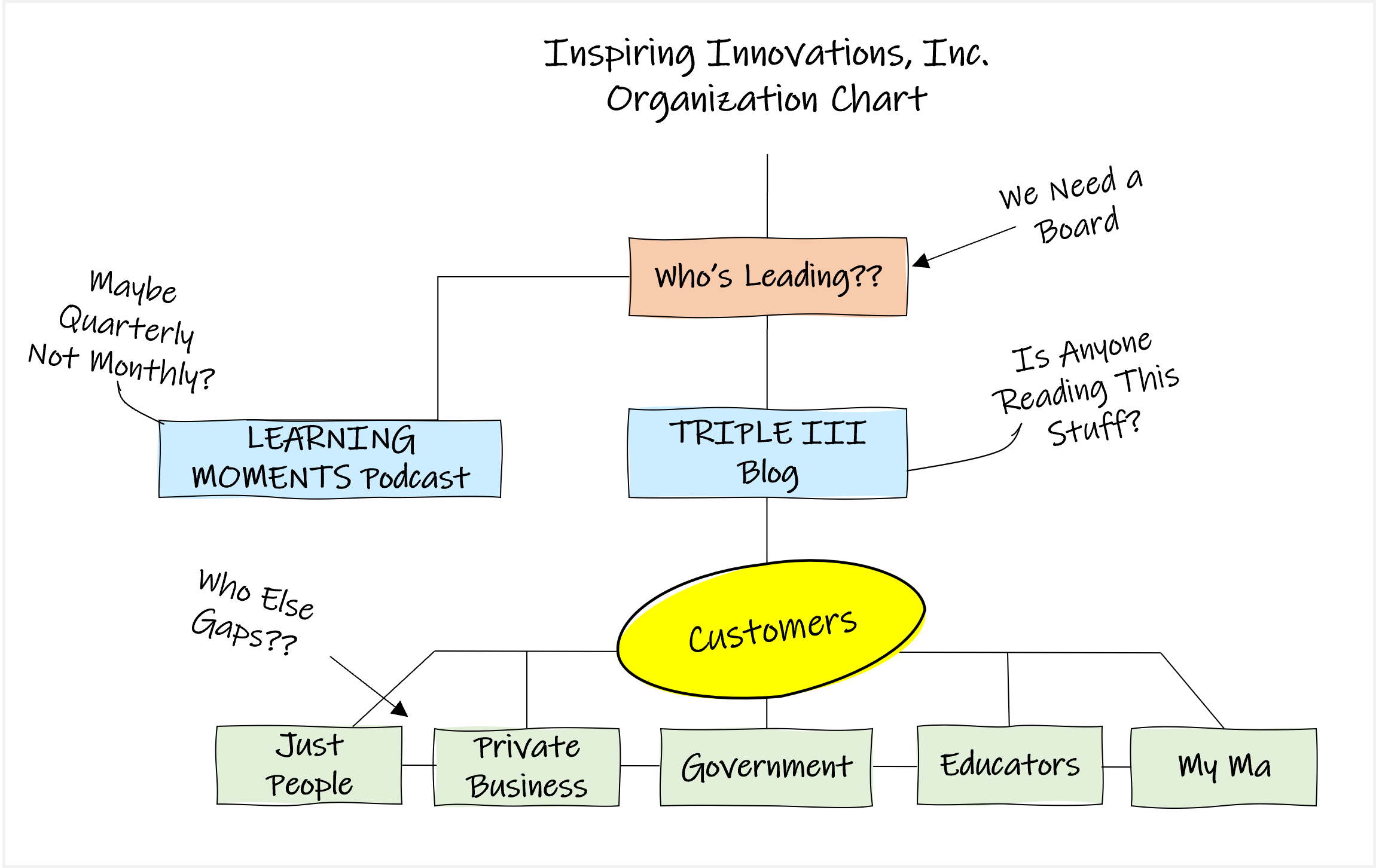
In the past year I have had the opportunity to view a number of organization charts from agencies large and small… and even a few private sector companies. Keep in mind that I was only able to look at them just for awareness purposes. However, my “always a better way” mind almost instantly took me into that “I wonder if they would let me innovate this” zone!
This week’s TRIPLE III TIME message will use my TOP 10 format to raise some innovation zone issues with regard to Organization “Charting”. Our times and purpose are so different today. Does YOUR chart reflect the change factor?
- Does your chart only change when employees change?
- When was the last time you audited your Organization Chart for accuracy?
- Are the positions still valid… the same?
- Are the chart’s service/product divisions appropriate for the times?
- Do the lines of supervision and reporting still make sense?
- Would the Board of Directors understand/support the structure the chart represents?
- Do the job titles correctly represent up-to-date employee responsibilities?
- Is your Organization Chart confusing, overwhelming, not enough or too much information?
- Can you easily see gaps in employee accountability?
- Does your Organization Chart feel like it needs to be a constant work in progress?
The goal of this TRIPLE III TIME message is to simply encourage everyone to review/assess their Organization Chart. Does it give a feel of “where you have been”…or an energy of “where you are going”?
Take a hard look!
 Inspiring Innovations, Inc.