Category Archives: Triple III
TRIPLE III TIME: Strategic Leveraging
When you hear and think about the term “Strategic Leveraging”…what are the definitional points your consider? Well if you think about strengths, resources, knowledge, experiences and of course comfort with innovation and change…you are closely describing the key factors that generate “Strategic Leveraging”! Unfortunately however, I believe the use of quality “Strategic Leveraging” has been a regular growth weakness in all sectors both public and private!
Think about it?!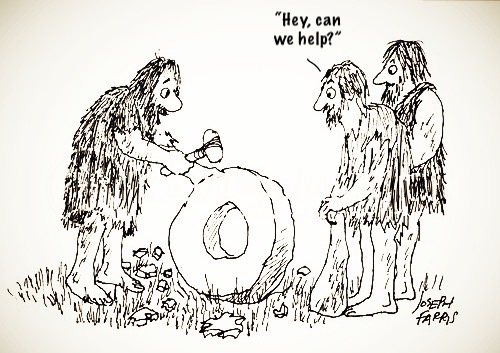
Do YOU do a good job strategically leveraging all of your personal and professional resources to better serve your customers? Do you take professional advantage of the added value your network of co-workers, colleagues and partners can bring to your products and services? Do you occasionally “change-chairs” with business partners to determine their areas of strengths and resources to possibly identify a common “Strategic Leveraging” plan that could move both forward??
Keep in mind effective “Strategic Leveraging” is NOT a single person/entity activity. Instead creative, innovative entrepreneurial “Strategic Leveraging” may include multiple groups and individuals. This type of network action will ensure that:
– Everyone is clear on “what do WE want” to happen
– Everyone engages so that any leveraging does NOT create unwanted reactions.
– Everyone commits to their level of obligation comfort.
– Everyone understands that “change” is a righteous result.
– Everyone agrees to OWN the results (good or not so good).
Taking part in “Strategic Leveraging” is a calculated risk but contains many great partnership benefits.

LEARNING MOMENTS: Positioning for Innovation

As we all consider options and opportunities for moving ourselves forward both personally and professionally… does Positioning for Innovation, rank high on your strategy list?
Well this month’s Inspiring Innovations, LEARNING MOMENTS podcast first talks through the high value of building/operating a culture of innovation in every area of your daily life. Then… as always, the podcast “Discussionist” leaves you with a few ideas on how to spread the Positioning for Innovation activity and uniquely infect others with creativity concepts.
Enjoy the listen!
TRIPLE III TIME: “Co-Production”… REALLY MATTERS!
When people think and strategize about improving products and services in both the public and private sectors… how often does the term Co-Production come up? Maybe I can accept that Co-Production is not first… second… or even third on a leaders list of priorities. But lets be honest… does it even come up in the progress discussion?
Well before we get too far into this week’s TRIPLE III TIME topic: “Co-Production”… REALLY MATTERS!… here is a basic definition of what is meant by the term Co-Production.
“Co-Production refers to a way of working where service providers and users work together to reach a collective outcome. The approach is value-driven and built on the principle that those who are affected by a service are best placed to help design it.”
Think about Co-Production in any marketplace. Not only is cooperating in the building of products a very useful, economic practice… but also it makes sure every marketing option is maximized…everyday…everyway! With the ever-challenging profit-margin being “squeezed-down” in all customer-service sectors, it is just common understanding that “Co-Production”… REALLY MATTERS!
What about the public sector? Unfortunately today, funding for public service programs…no matter the customer-base… is being reduced. So what’s the best alternative strategy. I believe better partnering with other organizations is the most solid option. Because “Co-Production”…REALLY MATTERS! especially in public service programming, the practice of blending one or more opportunities often services to create an even better product for every client customer.
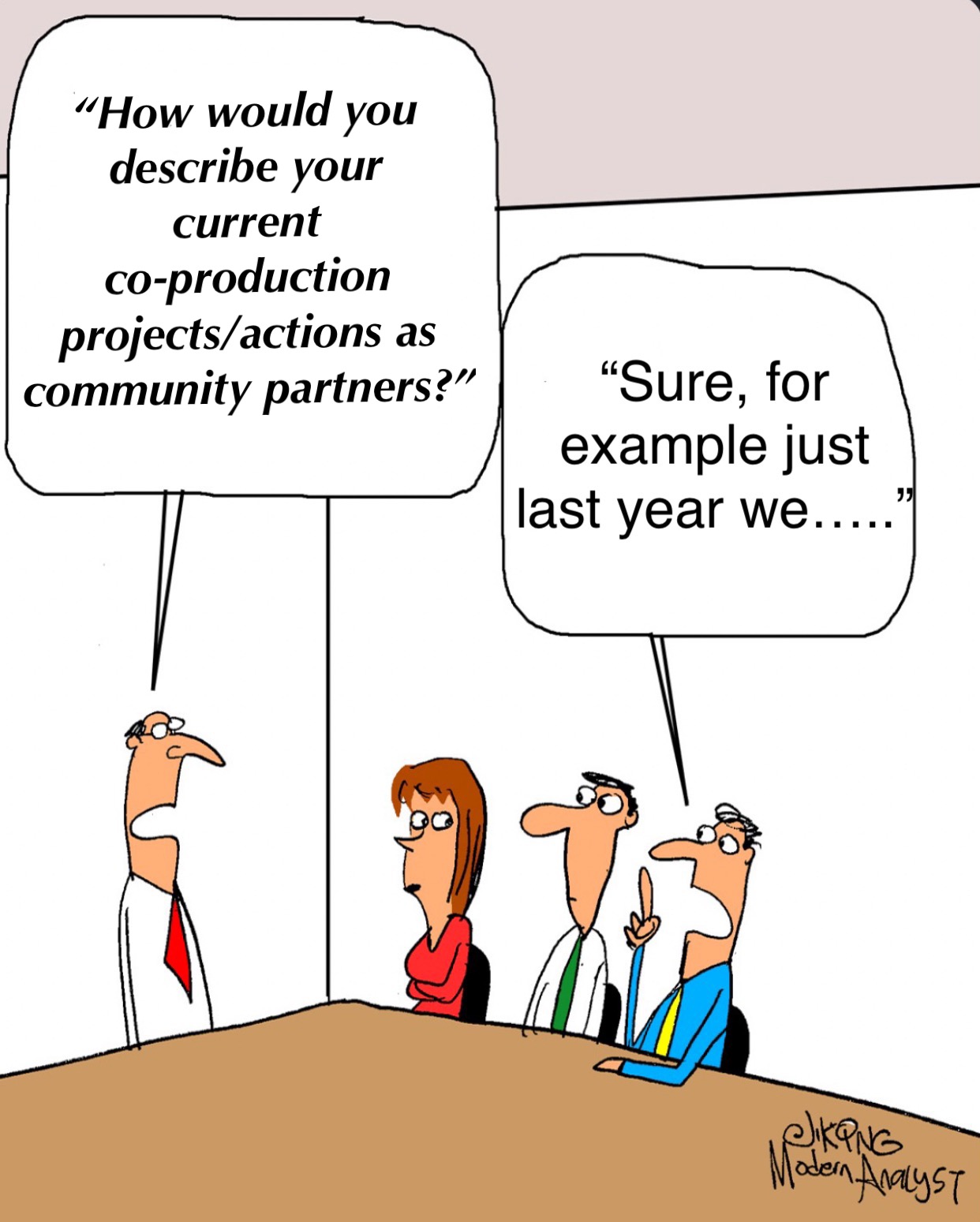
Bottomline: Often during my consulting times I hear from my customers that they practice Co-Production “all the time”. But when I ask the more specific questions about WITH WHO… FOR WHAT… and HOW OFTEN… the “all the time” earlier answer becomes a little questionable. Well the goal for this “Co-Production”…REALLY MATTERS! TRIPLE III TIME message is to encourage everyone to consider Co–Production opportunities in ALLaspects of your business/agency operations. Also, try and move Co-Production up on your scale of new/old business practices and hopefully have it make a major contribution in effectiveness and efficiency in everything that you do.
TRIPLE II TIME: Evidence-Based Creativiy
According to my GOOGLE request for a definition of “Evidence-Based”… the response went something like this:
“Evidence-Based: Data on which to base proof or to establish truth or falsehood.”
So what does that definition REALLY mean to program planners, service managers, teachers…and anyone trying to find that “Always A Better Way” option/opportunity? Simply put it means that you need to take a look at qualified information and available stats related to a new project you may be considering…FIRST! Then more confidently move forward on your “Evidence-Based Creativity” initiative!
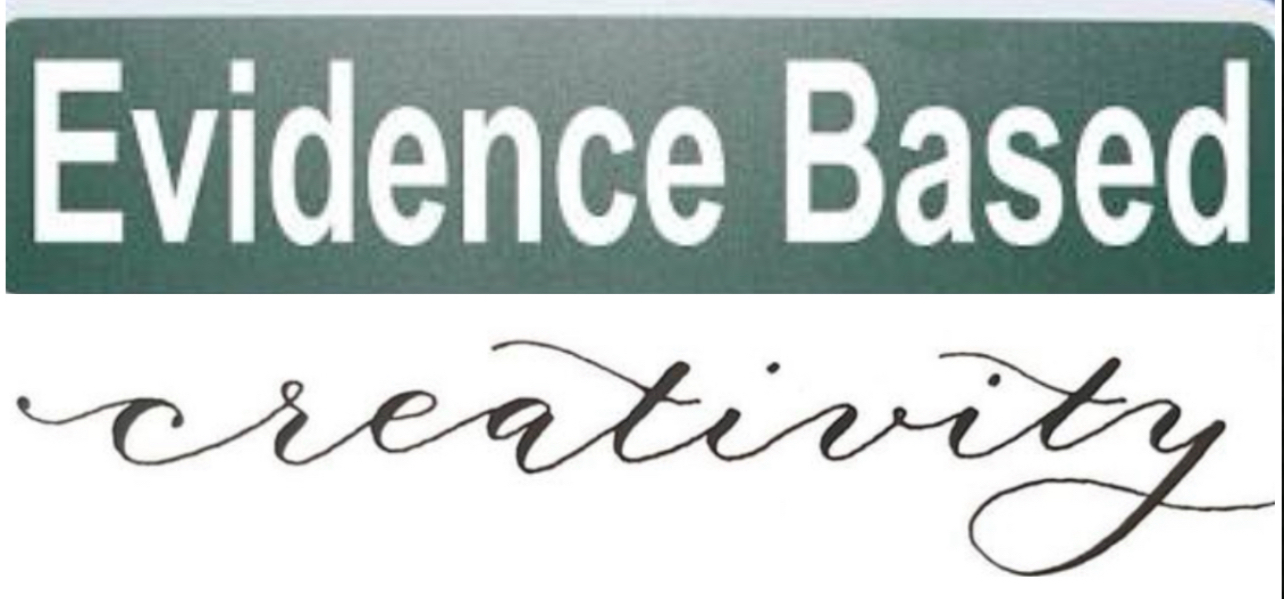
As a life-long innovator in multiple professional areas, today more than ever before the call has gone out for quality evidence-based support for new/re-designed programs/products/services. Creativity costs related to both time and money have become an ever-growing concern in both the public and private sectors. Therefore, the opportunity for experimenting via a “trial and error” methodology has become a much narrower road toward progress.
The most important part of this TRIPLE III TIME message is to USE “Evidence-Based Creativity” in your future planning. Specifically don’t be easily led to immediately cancel progress plans just because there have been relatable failures in the past. Rather emphasize the Creativity part and make appropriate corrections… know that no two situations are exactly the same when innovating…and lastly remember that when innovating in any product/service area… to also use innovative “measuring-sticks” for your initiative! In my history, too often people use old measurements to assess a NEW (maybe similar but still new) project. The result is an inaccurate/less fair evaluation.
Bottomline: First, embrace the importance and value of including evidence-based components in whatever innovation you pursue. Second, also recognize that innovativity must be infused into any and all measurements of your new product/service to be experimentally correct. And finally adapt a precedent of “Evidence-Based Creativity” as a modern day standard of operation.
LEARNING MOMENTS Podcast: Cooperative Diversity
The major goal of this month’s Inspiring Innovations LEARNING MOMENTS podcast is to more creatively and purposefully harness the potential of Cooperative Diversity!
Too often, as we work with people… we overlook the LEADERSHIP… INNOVATION… COMMUNICATION and PROFESSIONAL DEVELOPMENT learnings that exist in a cooperating diversified group. Effectively nurturing the unique input and likewise managing the progressive outputs of co-workers, colleagues, Board members, and friends as part of standard company/organization operating procedures… can truly build unlimited growth value going forward.
Plan to listen to this special podcast more than once. I believe there are multiple LEARNING MOMENTS.
Creative Public Administration (Who Cares The Most?)
Guess what? The time has come around for my first 2025 article for the American Society For Public Administration (ASPA) – PATIMES online news publication. Plus as you can assume from the title of the article… INNOVATION and citizen interest are my focus.
The Creative Public Administration (Who Cares The Most?) article does not offer any unique solutions to ignite idea generation in the public sector. Rather it offers observational insight into the creativity viewpoints and priorities of those in different citizen age groups.
Yes, I had fun writing it and I hope you enjoy reading it.
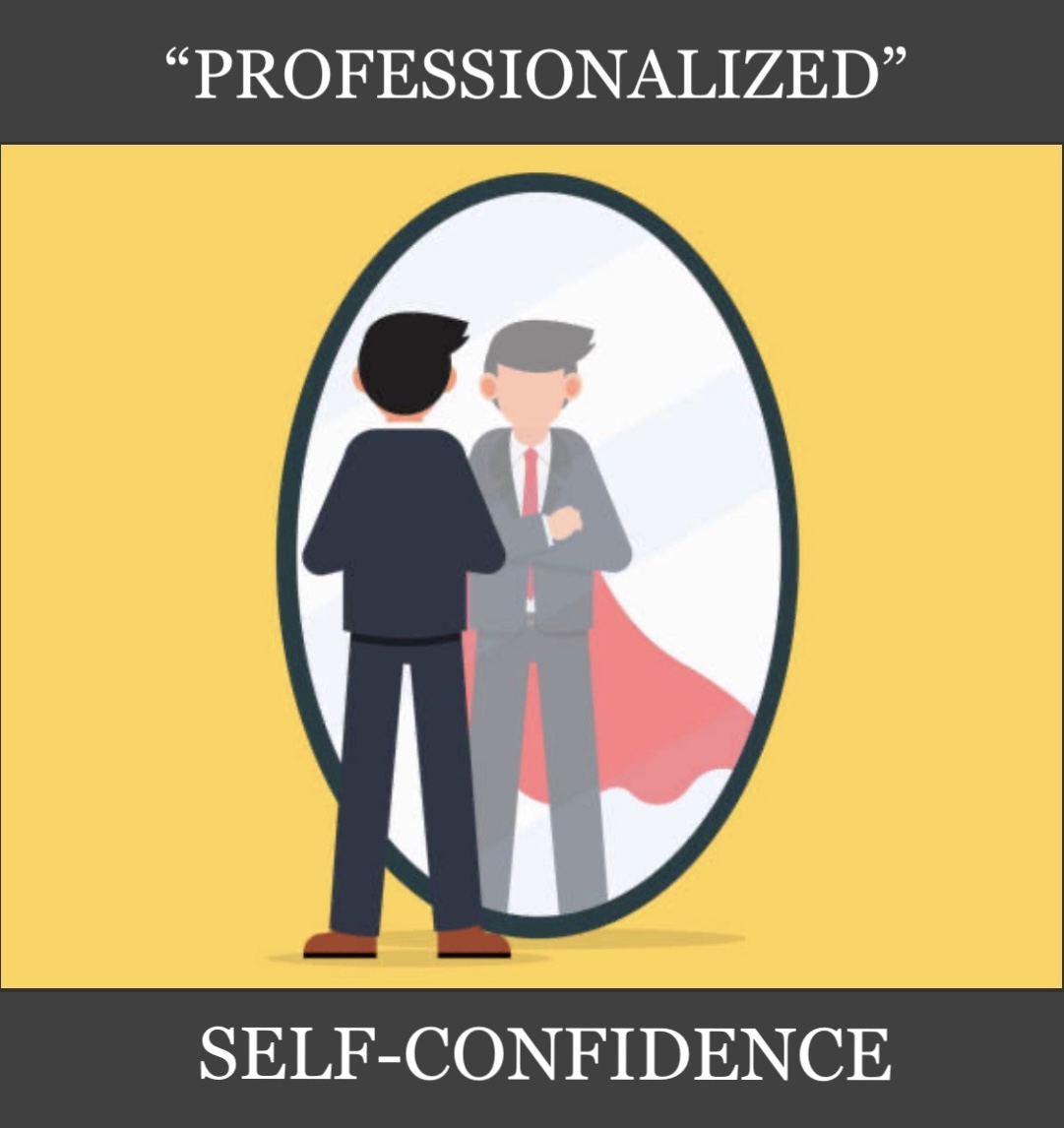
TRIPLE III TIME: “Professionalized” Self-Confidence
It is always interesting to observe the range of… level of self-confidence in individuals whether you happen to be in a group of people or maybe just one-on-one with someone. In a way trying to measure anyone’s self-confidence strength (or weakness) becomes almost a special “skill” all by itself!
But for this week’s message, let me ask a unique TRIPLE III TIME question: Has anyone ever addressed the issue of what constitutes “Professionalized” Self-Confidence?
Well as I have witnessed both good and not-so-good examples of “Professionalized” Self-Confidence, I believe a special TOP 10 points to consider in this area may be in order. Consider building your “Professionalized” Self-Confidence by:
- Not assuming everyone knows what you may be talking about,
- Better managing the quick responses that may come out of your mouth,
- Giving someone else’s idea a greater chance,
- Using high quality voice tones when responding to issues,
- Selecting written words that show a strong element of respect,
- Offering information/advice on one concept/action/idea at a time,
- Taking an appropriate amount of time when speaking,
- Budgeting your excitable self-confidence approaches over more time and issues,
- Allowing others extra understandability topic processing time… and
- FACT-CHECKING yourself for true accuracy on issues!
Now after having written and re-read this TRIPLE III TIME message… maybe it could have served as a solid New Year’s Resolution plan!
TRIPLE III TIME: Recognizing “PUSHING-ME” Energy

It is that time of year when the calendar places us in that “in-between” state of being. If I am not clear in the point I am trying to make… think about the fact that we are right in the middle of the week when we celebrate Christmas and then in just days we say good-bye to 2024 and welcome in the New Year: 2025! And traditionally we just try to quietly relax and enjoy where we have been… and then quickly plan where we want to go both personally and professionally in the new year.
So why is this week’s TRIPLE III TIME message: Recognizing “PUSHING-ME” Energy so important??
First, I want you to think about those you are responsible for and recognize the value of how they unknowingly have a cool role in pushing you to grow and be more accomplished in just being YOU! Second, consider those who look to YOU for support, advice and guidance to help them resolve a problem issue or possibly make a challenging decision on a life/work situation that has been “on-the-table” for quite some time. Finally, take the time to begin Recognizing “PUSHING-ME” Energy sources from other unique, not regularly noticed areas. And as you do this fun “case-study”…take stock in how often you THANK THEM for the special Energy they deliver!?
So as you progressively celebrate your holiday “in-between” season and creatively attempt Recognizing “PUSHING-ME” Energy offerers in your work/life areas (family/ friends/ neighbors/ students/ co-workers/ leaders)… think about sharing an extra special thanks message to them.
For me… I want to write that I appreciate the GREAT ENERGY I get from everyone that reads and helps me produce these weekly TRIPLE III TIME messages!
I couldn’t keep writing them without you.
TRIPLE III TIME: Holding the Leadership Reins
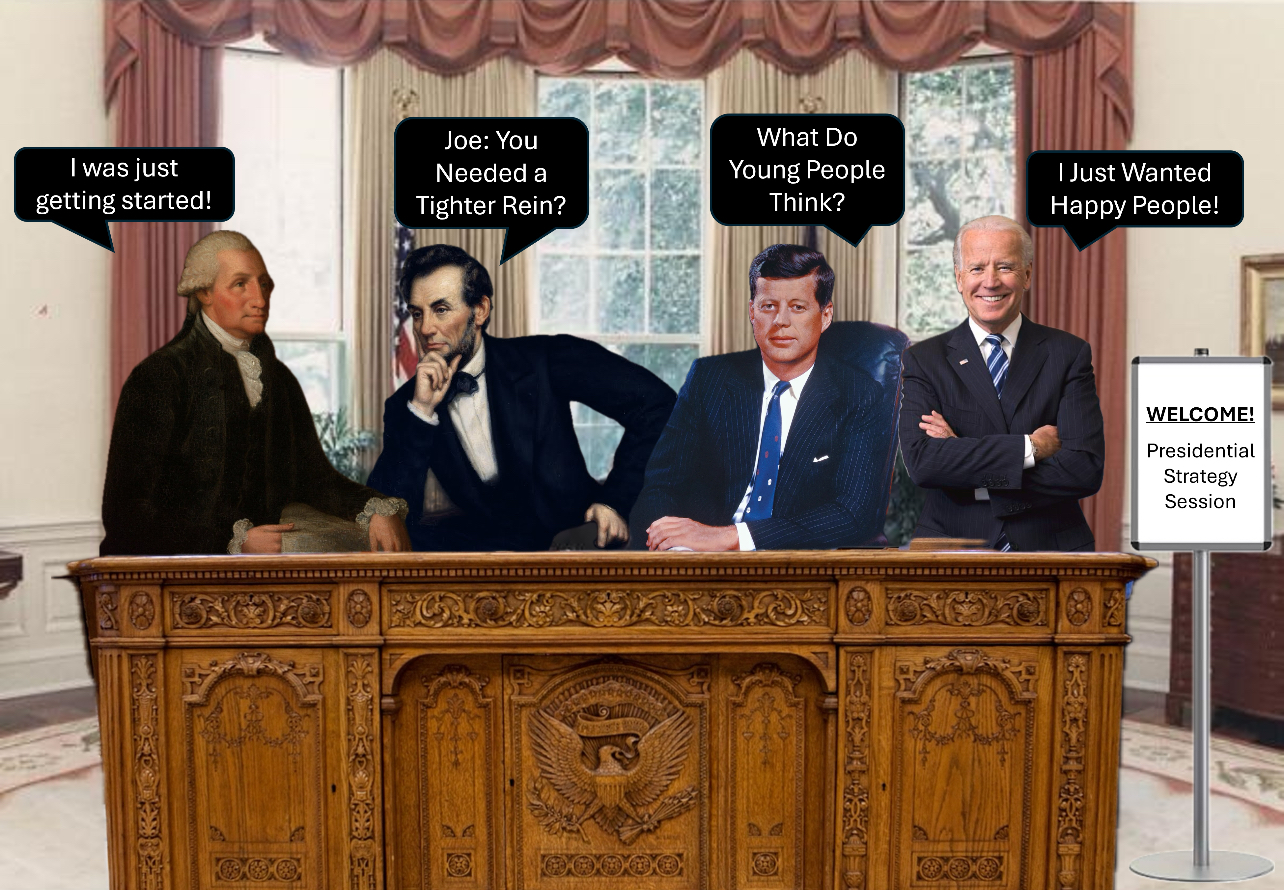 Are you in a LEADERSHIP role? Well no matter how you answer this question… today… I believe everyone is placed in a LEADERSHIP role at different times and for different purposes. So given this perception, did you ever give much thought about the professional responsibility of: Holding The LEADERSHIP Reins?
The first thing I think about when considering Holding The LEADERSHIP Reins for any organization or initiative… I think of it as an “ART” and that one can not do it perfectly because people are not perfect… right? Times, assignments, ages and circumstances are all impactors when appropriately Holding The LEADERSHIP Reins! Think about it.
If you apply a “moral idealism” concept and you believe if given the most appropriate situational freedoms everyone will do the right thing… you loosen the Reins! But what happens if those you manage practiced only doing the minimum at work and complained that you did not provide enough direction (as their leader) to get the job done?! And therefore your LEADERSHIP Reins were too loose and they did not totally understand the principles to be followed.
Perfection does NOT exist!
In my time as a LEADER… I followed a pattern that whoever I supervised had to earn how loose (or tight) my LEADERSHIP Reins would be for them. I never wanted to be Holding The LEADERSHIP Reins so tight that I restricted innovation, sharing of ideas and regular willingness to communicate. So if from time to time someone found me tightening the Reins exclusively for them… they quickly realized that maybe they lacked respect/ownership of the “mission” we were striving for…and their mis-use of freedoms caused their “Reins To Be Totally Tightened”… at least temporarily!
Bottomline: The goal for this week’s TRIPLE III TIME: Holding The LEADERSHIP Reins message is to first encourage you to assess your style in this personnel area. Second to reflect that there is no perfect Rein holding process. And finally to offer some situational examples that may help you find YOUR way in this vital professional responsibility area.
LEARNING MOMENTS: TOP 10 Growth Questions
Well as we finish 2024, this Inspiring Innovations LEARNING MOMENTS podcast is a targeted message toward bettering Board/Council/Committee advancement. Often as professionals are recruited and join a community development group, it becomes “growth- necessary” to pose a number of common-sense questions that help blend everyone in support of a special “cause”!
The TOP 10 Growth Questions and related growing-pain considerations highlighted in the podcast offer only a brief review of priority development processes. Please listen closely to each one and add your own thoughts.
Enjoy the holidays.
 Inspiring Innovations, Inc.