Author Archives: Inspiring Innovations, Inc.
LEARNING MOMENTS Podcast: Cooperative Diversity
The major goal of this month’s Inspiring Innovations LEARNING MOMENTS podcast is to more creatively and purposefully harness the potential of Cooperative Diversity!
Too often, as we work with people… we overlook the LEADERSHIP… INNOVATION… COMMUNICATION and PROFESSIONAL DEVELOPMENT learnings that exist in a cooperating diversified group. Effectively nurturing the unique input and likewise managing the progressive outputs of co-workers, colleagues, Board members, and friends as part of standard company/organization operating procedures… can truly build unlimited growth value going forward.
Plan to listen to this special podcast more than once. I believe there are multiple LEARNING MOMENTS.
Creative Public Administration (Who Cares The Most?)
Guess what? The time has come around for my first 2025 article for the American Society For Public Administration (ASPA) – PATIMES online news publication. Plus as you can assume from the title of the article… INNOVATION and citizen interest are my focus.
The Creative Public Administration (Who Cares The Most?) article does not offer any unique solutions to ignite idea generation in the public sector. Rather it offers observational insight into the creativity viewpoints and priorities of those in different citizen age groups.
Yes, I had fun writing it and I hope you enjoy reading it.
TRIPLE III TIME: “Unconstructing Walls & Fences”
As I have thought about important “lessons-learned” during my career work, one of the most significant has to be “Unconstructing Walls & Fences”.
Well once more I see the quizzed look on a lot of faces out there and everyone quietly whispering… “what is he really talking about this time?”
This week’s TRIPLE III TIME message entitled: “Unconstructing Walls & Fences”…simply is about repairing lost business partner relationships and/or just plain friendships in general. Sometimes the relationship disappearance was based on a difficult historic disagreement or a personal belief matter or maybe an issue no one can ever exactly recall. Regardless the walls and fences were constructed and have remained in tact…and the value of taking some kind of corrective action remains insignificant. Don’t allow this to happen or continue to happen to YOU!
Today my list for “Unconstructing Walls & Fences” begins with a recommendation to always TAKE THE HIGH ROAD. Be the lead person and let old news be just that…old news. Also be the person who talks only about what could be…rather than what has happened in the past. Taking the position to lower and eliminate any area of negativity, disrespect, misunderstanding and/or distrust…will place you continuously in a professional progress position!
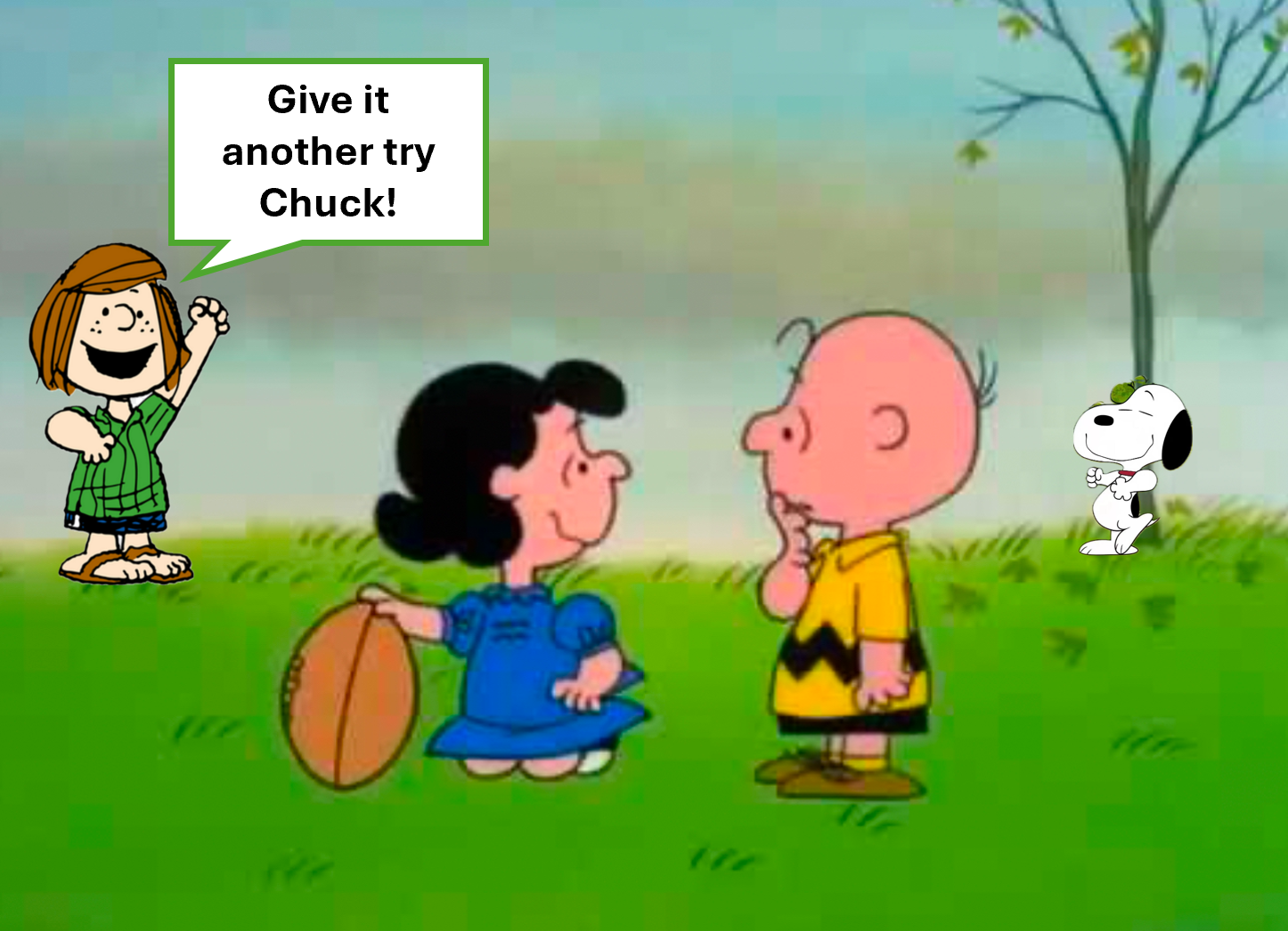 In the longest of runs I can tell you that having no walls or fences will offer you a number of great opportunities. Being able to reach back and ask for colleague to colleague help in so many different ways…will be a tremendous professional asset for you and those you work with!
TRIPLE III TIME: Strategic Delegation
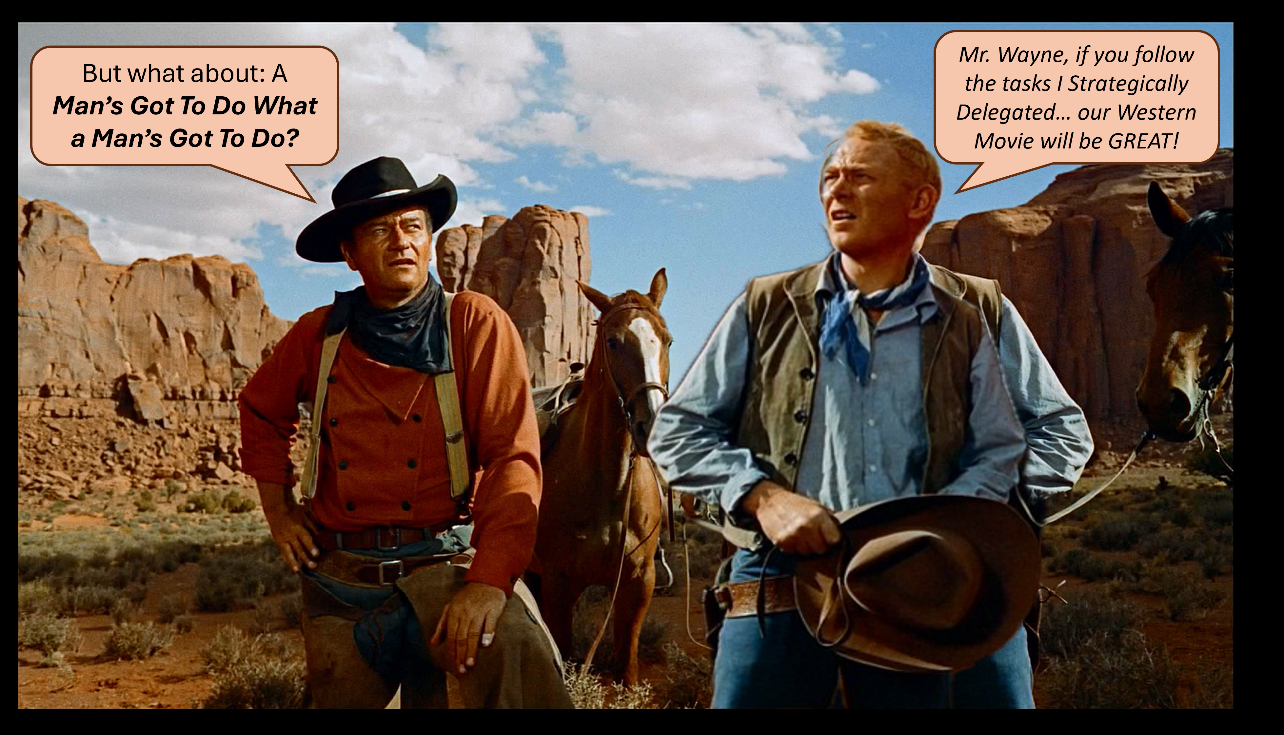
Today’s workplace seems to have a group of very regular challenges including maintaining good employee attendance, alcohol and drug testing, managing an up-to-date techno-system, and remaining “in-tune” with customers wants and needs! One area, however, that is critical to overall company/organization progress… is the demand for GREAT Strategic Delegation of one’s workforce.
Do you know what I am referring to?
I believe one of the best options for employee training and development is Strategic Delegation. Whether it is a simple assignment that requires a high level of facility safety or a more in-depth responsibility issue that includes data collection and reporting… Strategic Delegation can often offer a great deal of return-on-investment regarding trust, versatility, and quality.
In my Director days two of my most important Strategic Delegation categories were: Communication Reliability and Progressive Innovation. When I strategically delegated an important communication assignment… I measured how well the employee carried forward the Agency’s mission, culture, and personality within their specific assignment. Likewise, as you can guess I always looked forward to every employee applying their own progressive creativity concepts during their involvement in a special service innovation initiative.
Bottomline: Whether you are giving or receiving Strategic Delegation assignments… always… ALWAYS respect the overall progressive value for the company/organization.Making the correct delegation assignments and effectively assessing their outcomes can serve as a solid workforce/workplace development tool.
TRIPLE III TIME: “Professionalized” Self-Confidence
It is always interesting to observe the range of… level of self-confidence in individuals whether you happen to be in a group of people or maybe just one-on-one with someone. In a way trying to measure anyone’s self-confidence strength (or weakness) becomes almost a special “skill” all by itself!
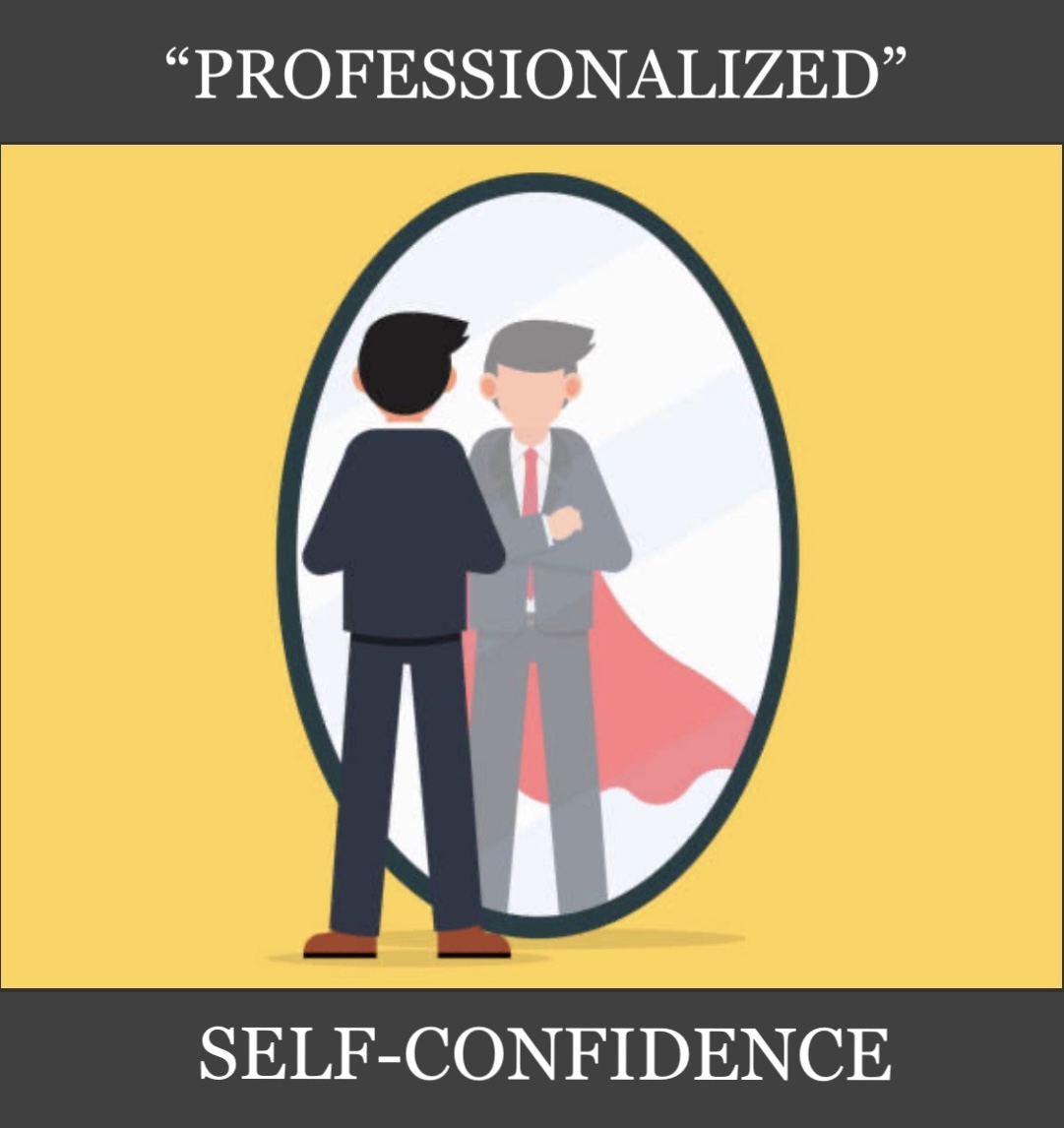
But for this week’s message, let me ask a unique TRIPLE III TIME question: Has anyone ever addressed the issue of what constitutes “Professionalized” Self-Confidence?
Well as I have witnessed both good and not-so-good examples of “Professionalized” Self-Confidence, I believe a special TOP 10 points to consider in this area may be in order. Consider building your “Professionalized” Self-Confidence by:
- Not assuming everyone knows what you may be talking about,
- Better managing the quick responses that may come out of your mouth,
- Giving someone else’s idea a greater chance,
- Using high quality voice tones when responding to issues,
- Selecting written words that show a strong element of respect,
- Offering information/advice on one concept/action/idea at a time,
- Taking an appropriate amount of time when speaking,
- Budgeting your excitable self-confidence approaches over more time and issues,
- Allowing others extra understandability topic processing time… and
- FACT-CHECKING yourself for true accuracy on issues!
Now after having written and re-read this TRIPLE III TIME message… maybe it could have served as a solid New Year’s Resolution plan!
TRIPLE III TIME: Growing As A LEARNING Organization
One of the most important continuing evolutionary factors in today’s workplace world is the challenge of innovatively Growing As A LEARNING Organization!
“Organizational learning is the process by which an organization improve itself through gaining experience and using that experience to create knowledge. The knowledge created is then transferred within the organization. This type of learning benefits both individuals, teams and the organization as a whole. There are also positive intra-organizational benefits to this approach.” (2025 Valanis Group)
So given this definition… let’s ask this important TRIPLE III TIME question: do you lead your group as a LEARNING organization and/or do you belong to a LEARNING organization??
In so many situations… individual learning no matter how effective… does not guarantee organizational learning. Even when many individuals in a company are being trained well and continually…. the company as a whole doesn’t really get the greater value. Employee networking, communicating, teaming and blending critical thinking are sometimes given only a “second thought” priority and unfortunately lessens the benefit of Growing As A LEARNING Organization. In order to proactively respond to an always changing personal and workplace environment, more emphasis needs to be placed on cooperative thinking and experimenting with futuristic options for greater product and/or service development.
Growing As A LEARNING Organization requires an inclusive style of management and an open, progressive communication process that engages all in try–out innovativity. Strict routines, uniform skill-sets and only “one-right-way” of operation/production… no longer fits in our fast-paced, higher-tech world of work and tomorrow’s jobs in both the public and private sectors.
LEARNING MOMENTS Podcast: “I am NOT Innovative”
As we begin our Inspiring Innovations LEARNING MOMENTS line-up of podcast topics for the new year… I thought I would begin with an issue that has “flustered” me for a long time. Specifically I am referring to those who in my career have claimed: “I am NOT Innovative!”
I think you will find this podcast a little entertaining… but also very suggestive that EVERYONE has a little creativity inside them. And although some ignore it… some hide it… and some only selectively use creativity… INNOVATION can and should be a more standard part of life and every job.
I hope you enjoy the listen!
TRIPLE III TIME: “MAXIMIZED” Customer Service (Beyond: “Can I help you?”)

We have addressed the importance of quality customer service in a number of different ways within multiple blog segments over our TRIPLE III TIME years. But as I considered how limited the prior messages were and how non-personalized my improvement recommendations felt… I believe I fell a little short of what “MAXIMIZED” Customer Service should represent in our highly competitive 2025 (and beyond) marketplace.
Think about it.
Whether the customer is looking for the right nails, food, car, job, consultant advice, appliances, crop fertilizer, co-worker support, employment service and the list is endless… it is way past the critical time to enhance and begin universally providing a much more personalized approach to customer service.
Maybe there are already a large group of professionals that do this, but I want to ask: do we take the appropriate customer service time to ask: WHAT/WHY/HOW questions about the product/service being sought… or do we just react with traditional/convenient responses?
Taking the time to discuss past product/service experiences, planned use, one-time or long-term need, research completed on options/opportunities and/or the situation requiring a possible unique/creative customer service approach…can totally drive a “MAXIMIZED” Customer Service style!
Bottomline: I believe adopting a solid “MAXIMIZED” Customer Service (Beyond: “Can I help you?”) professional habit will result in greater confidence, partnerships, respect and RETURN CUSTOMER occurrences for you and/or your marketplace. Gain the necessary insight into this development objective… and then go progressively forward.
TRIPLE III TIME: Beginning Our 12th Year
If someone had told me that I would be penning TRIPLE III TIME-Inspiring Innovations “Catablog” messages for more than one-five-ten years… “I would have laughed them out of the joint!” Yet with D.S. and J.B’s strong, continuing skills and support… we are now Beginning Our 12th Year!
Although each weekly message (1,144 so far)…was/is special in its own way, our major topic principles have remained constant: Leadership ALWAYS!, Developing YOU!, Communication LIVES!, and Innovation NOW! When I chose these high-value topics in the beginning… I simply picked professional development action areas that were most important to me. And thankfully after eleven years, I believe they have served us all well.
So now after that quick, fun trip down memory lane… it is time to share the first TRIPLE III TIME message for 2025. Plus in staying with my favorite format for message delivery, here is my TOP 10 Beginning Our 12th Year! priority action list:
- Create/Invent/Innovate something every chance you get.
- Read a meaningful book… completely during the year.
- Send a totally random “Thank You” note to a friend/colleague/family member… maybe every three (3) months.
- Begin making NEW donations (time or money) for a worthy cause.
- No matter your/their age… mentor someone to help them professionally grow.
- Arrive extra early and/or stay late at your workplace at least once per week.
- Tell someone you are proud of them for one of their professional development actions…because it matters.
- Keep a log of non-traditional personal or organizational growth efforts you are part of. (Keeping “score” will encourage you to do more.)
- Make “Always Fresh” a workplace/work performance an everyday theme.
- Finally, please use my first NINE (9) priority action list items to be your “LEAD BY EXAMPLE” professional development standards everyday… EVERYDAY!
Lets have a fun, cool new year.
TRIPLE III TIME: Recognizing “PUSHING-ME” Energy

It is that time of year when the calendar places us in that “in-between” state of being. If I am not clear in the point I am trying to make… think about the fact that we are right in the middle of the week when we celebrate Christmas and then in just days we say good-bye to 2024 and welcome in the New Year: 2025! And traditionally we just try to quietly relax and enjoy where we have been… and then quickly plan where we want to go both personally and professionally in the new year.
So why is this week’s TRIPLE III TIME message: Recognizing “PUSHING-ME” Energy so important??
First, I want you to think about those you are responsible for and recognize the value of how they unknowingly have a cool role in pushing you to grow and be more accomplished in just being YOU! Second, consider those who look to YOU for support, advice and guidance to help them resolve a problem issue or possibly make a challenging decision on a life/work situation that has been “on-the-table” for quite some time. Finally, take the time to begin Recognizing “PUSHING-ME” Energy sources from other unique, not regularly noticed areas. And as you do this fun “case-study”…take stock in how often you THANK THEM for the special Energy they deliver!?
So as you progressively celebrate your holiday “in-between” season and creatively attempt Recognizing “PUSHING-ME” Energy offerers in your work/life areas (family/ friends/ neighbors/ students/ co-workers/ leaders)… think about sharing an extra special thanks message to them.
For me… I want to write that I appreciate the GREAT ENERGY I get from everyone that reads and helps me produce these weekly TRIPLE III TIME messages!
I couldn’t keep writing them without you.
 Inspiring Innovations, Inc.