Category Archives: DEVELOPING YOU!
TRIPLE III TIME: A Personalized SUPPLY CHAIN?
I don’t care how old you are…your current employment situation…where you live…how much education you have…and/or your financial status…I will bet you have never constructed A Personalized SUPPLY CHAIN visual projecting your “what-next”…future life/work steps?
Think about it! Consider the special value of creating a private business-based, step-ladder designed…one-page diagram of YOUR plans for the future.
Over the years as I have worked in my director/consultant day-jobs, I have used a SUPPLY CHAIN structure many times to make a basic plan for steady Creation & Development for multiple people and organizations. The use of a short…to-the-point SUPPLY CHAIN visual…in almost every situation allows for quick, direct focus by EVERYONE…EVERYTIME!

Go ahead…put YOUR name at the top of the Creation & Development… A Personalized SUPPLY CHAIN chart! So now what?
First, I can reassuringly report to everyone that thinking about the “What Do I Want?” section always seems to be the toughest part of building the SUPPLY CHAIN. Trying to narrow down and make simple this first area is naturally a “where do I start or restart” challenge! However, once people get past “Pre-Planning The Want”…not surprisingly many of the next development areas seem to come more easily.
Next it is necessary to keep an open…yes innovative-mind as you consider any and all personal growth factors. Remember today there are so many more informational items/opportunities online (even across the globe) that can enhance A Personalized SUPPLY CHAIN. So to achieve the bottom-line goal…a single page document/outline that “charts-YOUR-course” for quality personal and professional development…can prove to be a wonderful action endeavor.
I hope you create a cool SUPPLY CHAIN. I also hope you don’t make it too detailed and overwhelming right from the start. Baby steps are AOK…as long as they are future steps.
Enjoy this special assignment.
TRIPLE III TIME: What Do Customers REALLY Want?
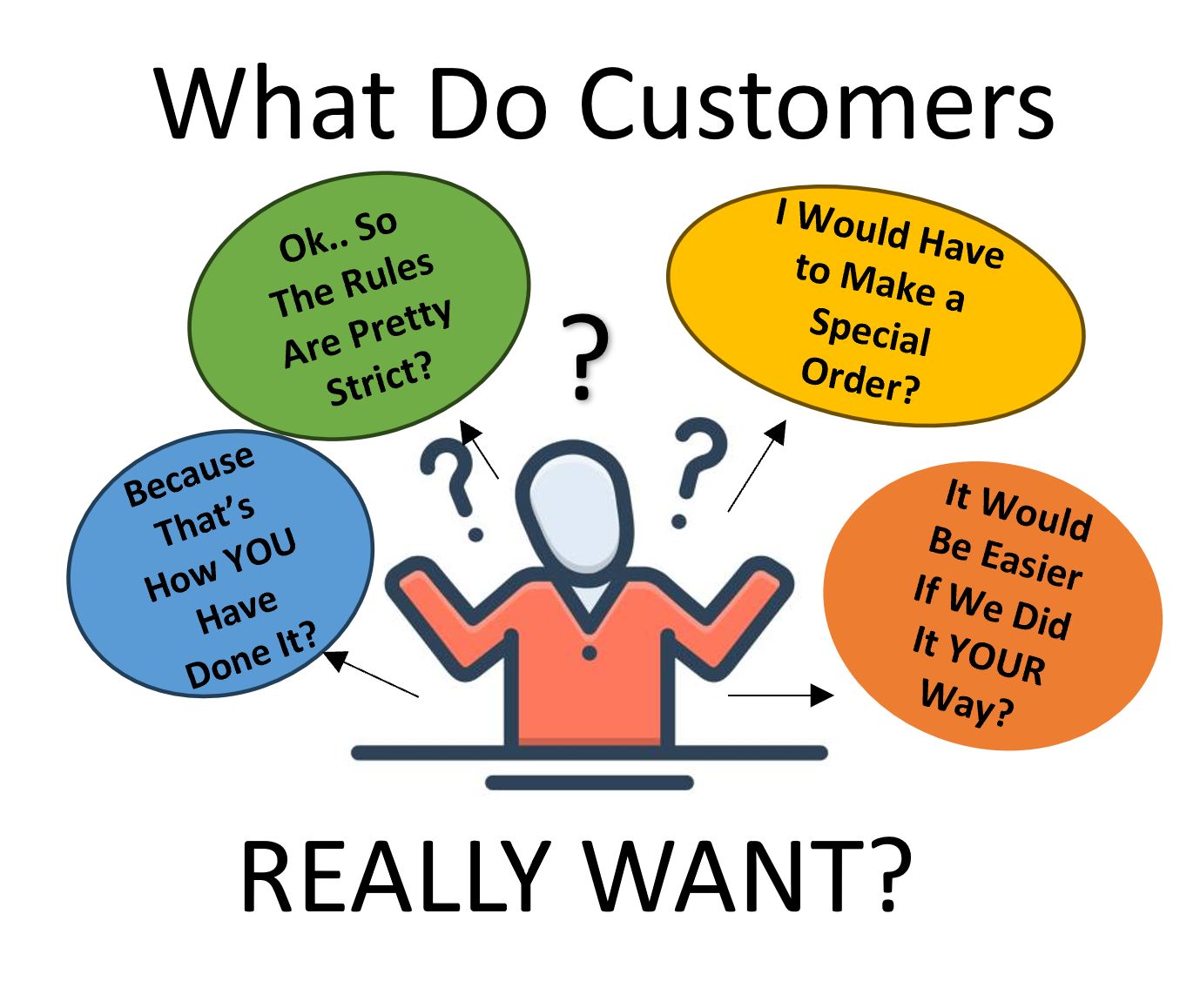
It is always interesting to work with different public and private organizations and talk with them about their customers…their wants…needs…service/product expectations and adjustments that may need to be made. One of the most challenging discussion areas is how different groups determine: What Do Customers REALLY Want?
In a way this question and the answer(s) should come about very easily…right?
Well as YOU work with customers in YOUR day job…do YOU do a solid job answering this TRIPLE III TIME question?
What I have found is that many times history provides the first-line answer to the customer Wants question. Or sometimes it is the governmental guidelines that take precedence over questions asked. Or pre-determined answers that are driven by… “this is all we have right now”?! Or finally there is the likely occasion that customer Wants are organized around a strategy of services via “staff convenience”?!
In ALL workplace situations today…I think it is prime time to relook at the ever-critical question: What Do Customers REALLY Want? In my consultant business I have to report that rarely do potential customers REALLY know exactly what they Want the first time we sit down. Instead it is only after a more detailed question, answer and discussion period that the best REALLY Want answer shows up.
Times have changed…people have changed…products and services in all areas have changed…so the: What Do Customers REALLY Want? question answer(s) should not be easy or automatic. Rather allow customers and yourself the progressive discovery time to develop the best Want answer possible. Time and money are both factors that seem to become more limited each day. Therefore, taking some quality time to get the better/best: What Do Customers REALLY Want? answers early on…will be a priceless return-on-investment in the long run.
TRIPLE III TIME: TRANSFORMATION is NEVER a Single Event
“Transformation is a difficult process for workers at all levels of the organization. Employees who have spent decades responding to orders are now being asked to think, innovate, and make strategic decisions. Workers accustomed to being commanded from above must now assume a high level of autonomy and responsibility.
While many companies will make the transformation to the new story of business, others are likely to remain stuck in the old story. Some will simply refuse to acknowledge the need for transformation. Others will confuse transformation with reform, and attempt to apply new story approaches within fundamentally unchanged organizations. Still others will begin the transformation, only to revert to the old story during a period of crisis.”
(Quotes taken from Charles Garfield’s book: Second To None…The Productive Power of Putting People First.)
It is so important to take some TRIPLE III TIME…and critically absorb all of the very important points contained in Mr. Garfield’s words. Purely his reminding all of us in any workplace…that TRANSFORMATION is NEVER A Single Event!
Think about all the variables that will impact our worlds of work today and tomorrow. New bosses, employee changes, different products, diverse customers, more (or less) organizational operations dollars, a global economy, governments & politics and the list continues. So when someone tells you to take TRANSFORMATION personally…they are offering very solid, timely advice.
Continuous organization/business TRANSFORMATION is now just a necessary “standard operating procedure” in order to stay strong and competitive in today’s economy. Likewise, as Mr. Garfield points out, critical thinking, employing innovation options and making strategic decisions has also become a regular equal opportunity responsibility for personnel at all operational levels.
Is TRANSFORMATION a bad thing…absolutely not!! Accepting that TRANSFORMATION is NEVER A Single Event and that adopting an operational philosophy that progressive change is and should be an everyday opportunity…is just growing in the right direction!
TRIPLE III TIME: The LIMITS of Having a Routine

Isn’t it interesting how many people have and even depend on having a routine for their daily functions! Now don’t start thinking that I am making fun of these very important… staying life-organized… stability-driven… and monitoring yourself (and maybe those who you live and work with) responsibilities. However, have you ever openly considered The LIMITS of Having a Routine with regard to not allowing CREATIVITY… IDEA GENERATION and INNOVATION in your everydays??
I believe that there are a whole group of people in the world that think: “I wish I could have … would have… should have…” when considering The LIMITS of Having a Routine existence. People have sacrificed pursuing a unique career, attaining some form of higher education opportunity and/or visiting out-of-the-way places… in lieu of employing a life/work routine that promotes standardized consistency.
Well as you have probably already guessed… the REAL purpose of this TRIPLE III TIME message is to offer unique concepts on how to “bend” The LIMITS of Having a Routine and maybe adopt a few “cool variations” into your routine! Possibly you start by:
- Establishing a CREATIVITY TIME GAP every day. (Maybe begin with 15 minutes… then 30…60?)
- Establishing a WHAT ELSE? LIST of activities that are mentally/physically non-traditional in your days.
- Establishing a NON-AGE CONNECTED MENU of thoughts and social media information items to review and study each day.
- Establishing an ADVANCING PERSONAL GROWTH LADDER. Each week consider a club, class, volunteer service group, etc. to join and grow with.
- Establishing a brand-new OPPORTUNITY NETWORK for yourself. Its purpose and membership can be all yours.
Truthfully, I appreciate a routine too. But I also appreciate the Super 5 ROUTINE UNLIMITERS outlined above to help me take personal and professional growth steps… everyday… EVERYDAY!
TRIPLE III TIME: Costs of Poor Customer Service
There have been many articles and maybe even books written about the Costs of Poor Customer Service. And whether it is exactly true or not… “estimates of the cost of poor customer service range from $75 billion to $1.6 trillion per year” (midlandstech.edu)! Unfortunately as I talk with individuals who are on an entrepreneurship path toward building a successful new private business or public service, the economic value of attaining and retaining GREAT customer service is a huge factor in many of our discussions.
How is the incidence of poor customer service approached when I talk with business/agency leaders? Well I start with the almost common sense list of impacts:
- Direct loss of customers (new and old)
- Person-to-person poor reputation communication
- Confused strategic planning action
- Uncertainty in new marketing practices
- Lay-offs/firings and continuous staff turnover
- Over-orders…Under-orders
This is probably just a partial list of Costs of Poor Customer Service challenges that need/deserve attention for today’s world of work.
Then the questions about why customer service is poor get appropriate time…but again common sense understanding comes through:
- Employees aren’t listening to customers
- Cost-cutting has lowered customer service
- Organizational growing pains have caused customer service gaps
- Personal approaches have been over-reduced and technologically replaced
- And yes there are others!
Fortunately…just like this TRIPLE III TIME message our last segment of consulting moments addresses a number of “prime-time” suggestions on how to improve customer service.
- Become a “student of quality customer service in your workplace.” Observe, take notes, ask questions and share REGULARLY good actions.
- Conduct a REGULAR “what else?” survey with current customers.
- Allow innovation and creativity to your products and services with some REGULARITY.
- Do not allow one employee to over-power the “new idea book” on a REGULAR basis.
- Pursue a customer service approach that ensures some form of REGULAR live personal contact.
I hope everyone gleans some ideas from this TRIPLE III TIME message…and then excels REGULARLY in all forms of Customer Service!!
TRIPLE III TIME: Stress & Creativity: Opposites Attract!
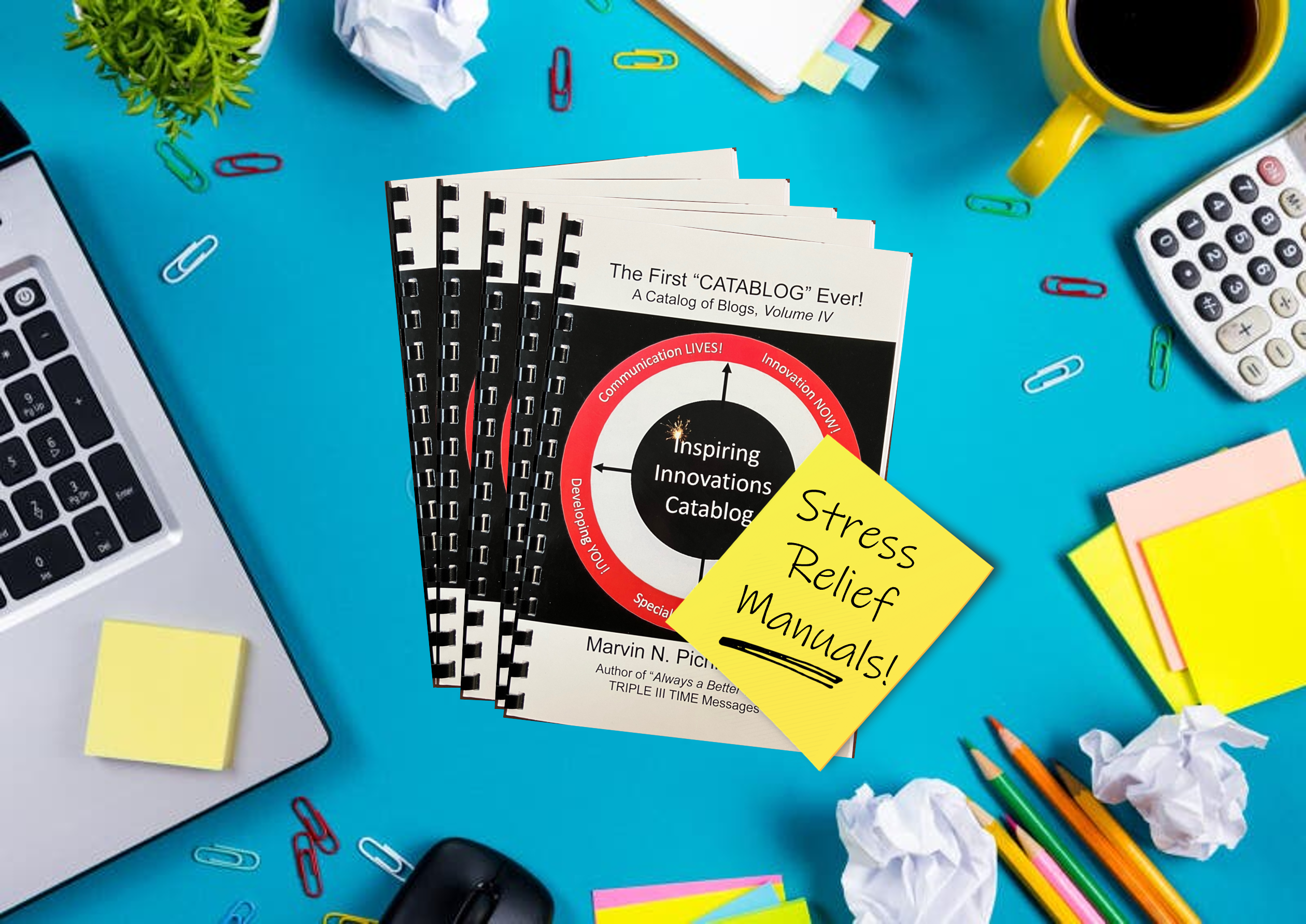
“When you choose to view your stress response as helpful…you create the biology of courage. And when you choose to connect with others under stress…you create resilience.” – From Kelly McGonigal: “How To Make Stress Your Friend” 2013
Today everyone seems to be negatively impacted by stress. Whether it’s generated by family issues, job concerns and/or the challenges that arise from daily life events….stress is a component. Also it does not seem to be more age related or specific to a certain type of employment situation. Rather the common statement that is reported is: “Man…I am really stressed-out today!”
If you refer back to the statement by author and speaker Kelly McGonigal at the beginning of this TRIPLE III TIME message…you quickly realize that it is UP-TO-YOU on how to view and respond to stress.
Think real hard about this Stress & Creativity: Opposites Attract opportunity. When I think about my stresses and approaches on “How To Make Stress Your Friend”…a bunch of personal examples come to mind.
- Allow stress to be a performance motivator.
- Accept that stress is a natural occurrence and can/should be handled so personal and/or professional improvement is the goal.
- Engage stress as an opportunity to gain problem-solving skills.
- Consider sharing your stress feelings with others you trust to expand the course of regular friendships.
- Utilize stress to develop your ability to better focus during challenging times.
These are just a few examples of transitioning stressful times over to options and opportunities to make you stronger in many ways. Remember ultimately it is YOUR choice to negatively or CREATIVELY handle stress.
TRIPLE III TIME: Be the GROWTH Example

“Bravery is not something we’re born with, but something we grow into and learn as we progress through life. However it is much harder to be brave if we believe that the person we are now is the same person we will always be. A GROWTH mind-set is the thing that allows us to be brave in the face of adversity. It’s our brains way of encouraging us to love a challenge-here’s a chance to learn!” (GREAT TED TALKS-Leadership by Harriet Minter)
This thoughtful paragraph written by Ms. Minter says an awful lot…in just a few sentences. Do you see/read what I mean?
In the first sentence Harriet tried to make the point that one must be patient and not to expect to be immediately “all-knowing” no matter your age. GROWTH comes to us as we move through our daily lives…so maybe we need to slow down and become a little more aware of all the diverse learning activities going on around us and maximize their progressive potential!
Next, she recommended that we not be afraid of GROWTH through adversity. Rather Ms. Minter indicates that approaching adversity through bravery is just natures way of challenging us and opening up new opportunities for us to learn.
(Now go back and read her quote again. What is YOUR take-away from these words?)
My biggest TRIPLE III TIME take-away from this great TED TALKS excerpt…is that it is forever critical to Be The GROWTH Example! Too often people shy away from life’s challenges and very much lose the personal and professional GROWTH elements contained in every one. Her paragraph also gives us a different “OPPORTUNITY OF A LIFETIME” scenario…and suggests that if you don’t approach life’s challenges with bravery…you may never get that OPPORTUNITY again.
TRIPLE III TIME: Planning For A PLAN!
 Planning is a critical task in every profession. Whether the assignment is teaching, sales, farming, home building…whatever, the responsibility for preparing and having a good PLAN of action for your initiative is just plain important.
So, as I began considering factors to discuss in this week’s TRIPLE III TIME message, I realized that many Planning for a PLAN actions have changed over my career years… and that maybe a special TOP 10 in this professional development area might be the best way to go! But remember these TOP 10 considerations come to you from a consultant’s mindset:
- Who wants the PLAN…who cares if it’s just Ok or Great?
- Will people care if it’s your idea…or should it be theirs?
- Remember a lot of PLAN narrative is “old news”…bullet points are a solid option.
- Consider “immediate gratification” components…they initiate interest.
- No one “goes-it-alone” in completing a project…so include partnerships in your PLAN.
- Offer information on past successful PLAN achievements if appropriate (they are like references in a resume).
- Use creative, visioning terms in your PLAN (create pictures with your words).
- Determine if the PLAN needs to be about “parts” of your organization…or more about the whole to be successful.
- Both TIME and MONEY are critical PLAN factors…give them appropriate attention.
- Finally, discussion about being FLEXIBLE and SPECIAL have a place in PLANS…they always matter.
Effectively and efficiently Planning for a PLAN is a professional development skill-set that may be used daily. Maybe re-read this TOP 10 with that thought in mind!
TRIPLE III TIME: “Owning-Up”
 Very recently I found myself totally lost in the world of technology! To be honest, the computer action I was trying to accomplish was far from “high-tech” stuff…rather it would be considered by most as a very elementary computer function! But given my attitude toward becoming more computer-literate…I had to begin “Owning-Up” to co-workers about my “technology disabilities” and seek out a colleague who could help me quickly resolve my issues.
So when I contacted SB…I was greeted in the most professional yet co-worker caring fashion. In a special kind of way she made “Owning-Up” feel like a very standard, yet important continuous improvement and staff development activity. SB talked me through the necessary steps…did NOT do anything for me…but made me push and type every button to get me computer-wise… where I needed to be.
The reason this experience is part of this week’s TRIPLE III TIME message, is to encourage everyone to try “Owning-Up” to knowledge and skill weaknesses… and not avoid or dismiss them as unimportant. Addressing any and all of these types of unknowings can not only improve your workplace effectiveness…but also serve as an avenue to make better friendships.
Additionally, SB served as the best problem-solver I could’ve asked for. How would my reactions be different if she had ridiculed my techno-weakness, expressed disgust at my lack of computer skills or shared my dilemma with others in a demeaning way. Think about your experiences on either side of this personnel issue (or others) and consider how was it handled. Were you SB-like…or the opposite?
“Owning-Up” and seeking quality help in an uncertain workplace learning area is the STRONG way to go. And when you are asked for “Owning-Up” help…be the professional and caring person that co-workers are hoping for.
TRIPLE III TIME: Tactical Planning…How Good Are You?
Organization and even personal planning are often not given the deliberate attention they deserve. Yes, I will admit that in my Director days I often employed a “flying by the seat of my pants” approach to planning and agency operation. However, I will also admit that because I surrounded myself with great co-leadership people, the need for complete detail in program/service design and delivery was gratefully provided.
But now in assisting my consulting clients and high-management involvement in the post-secondary education sector, I have come to focus more on Tactical Planning activities. Unlike strategic planning which concerns itself with decisions about resource allocations, company priorities and steps needed to meet important long-term goals…Tactical Planning is all about short-term plans and actions for implementing specific elements of a company/organizations larger strategic plan. Tactical planning may be delegated to middle-management…but realistically needs to involve all levels of an organization to be totally effective.
So, this week’s TRIPLE III TIME message asks: Tactical Planning…How Good Are You?
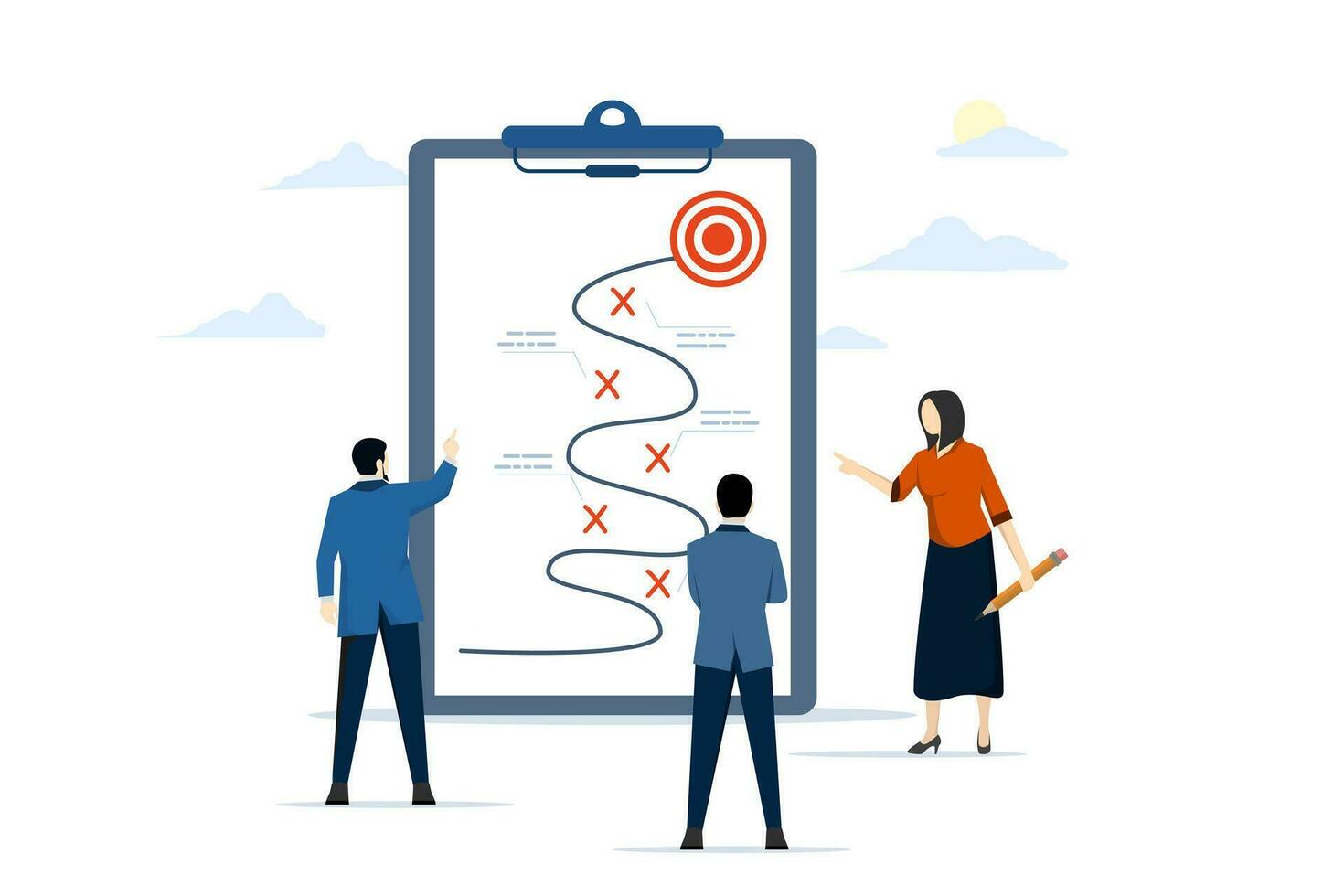 Do you assign yourself to strategically think about and draft recommendations on how to improve yourself, co-workers and/or the organization? Or do you follow a more traditional line of thinking and believe “that strategic planning is the higher up’s job”? As a leader at any level do you convey an openness to all workers that their input and ideas are important? Would people observe that you and your business/organization operate with a culture that Tactical Planning is EVERYONES responsibility?
Times have dissolved the lines that limited frontline staff from contributing to solid Tactical Planning. Yes, there are still select areas that may need to be accomplished by Boards and top-level leaders. However, when you think about Tactical Planning…How Good Are You?…be sure to not only think about work…but also your own self-improvement!

